Learning Center
Articles and clinical resources to support your well-being
Articles
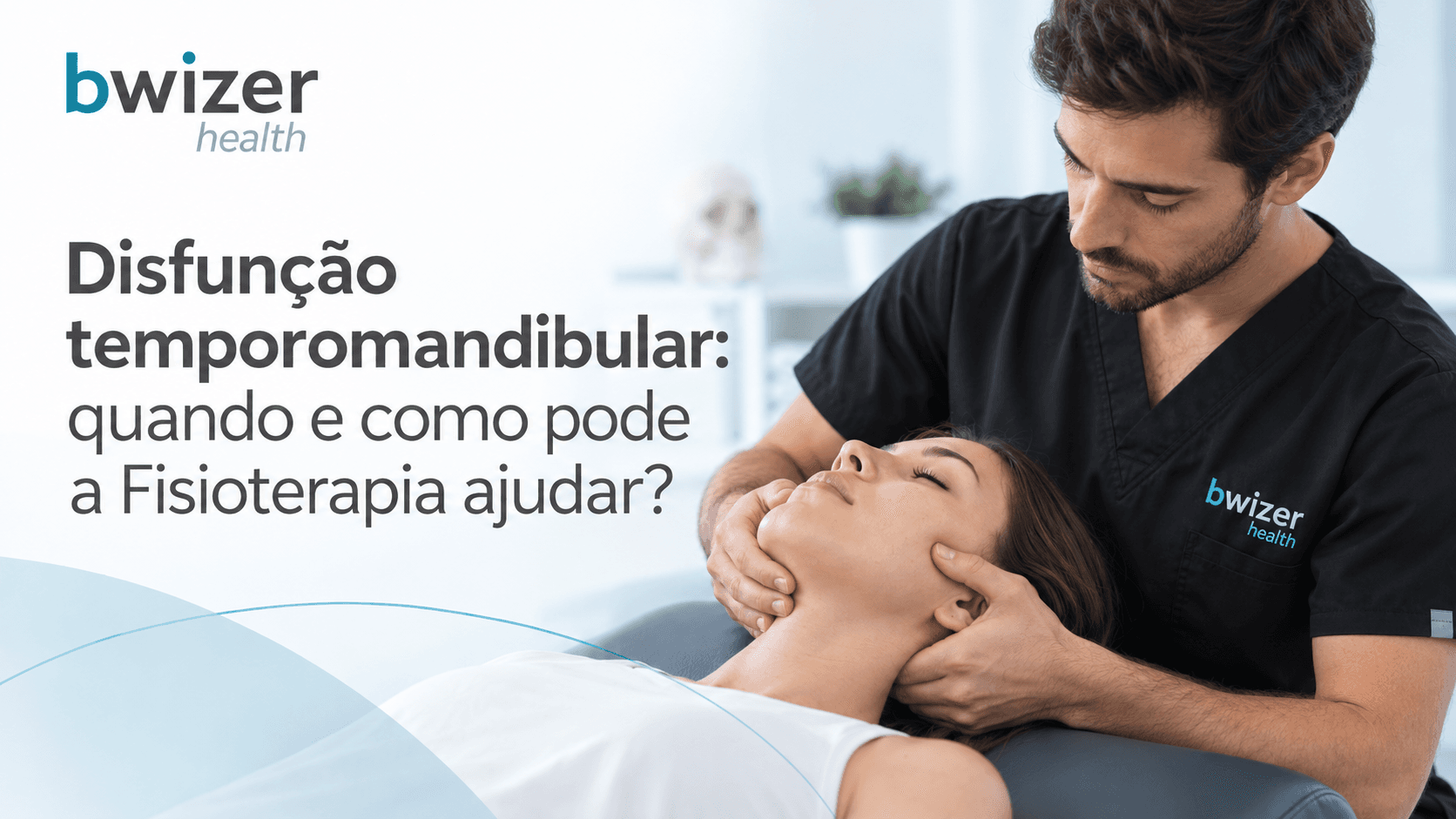
Temporomandibular disorders: when and how can Physiotherapy help?
Jaw pain, clicking or difficulty opening your mouth? These symptoms may be associated with temporomandibular disorder (TMD). Discover how Physiotherapy can help reduce pain, improve jaw function and restore comfort in everyday activities.
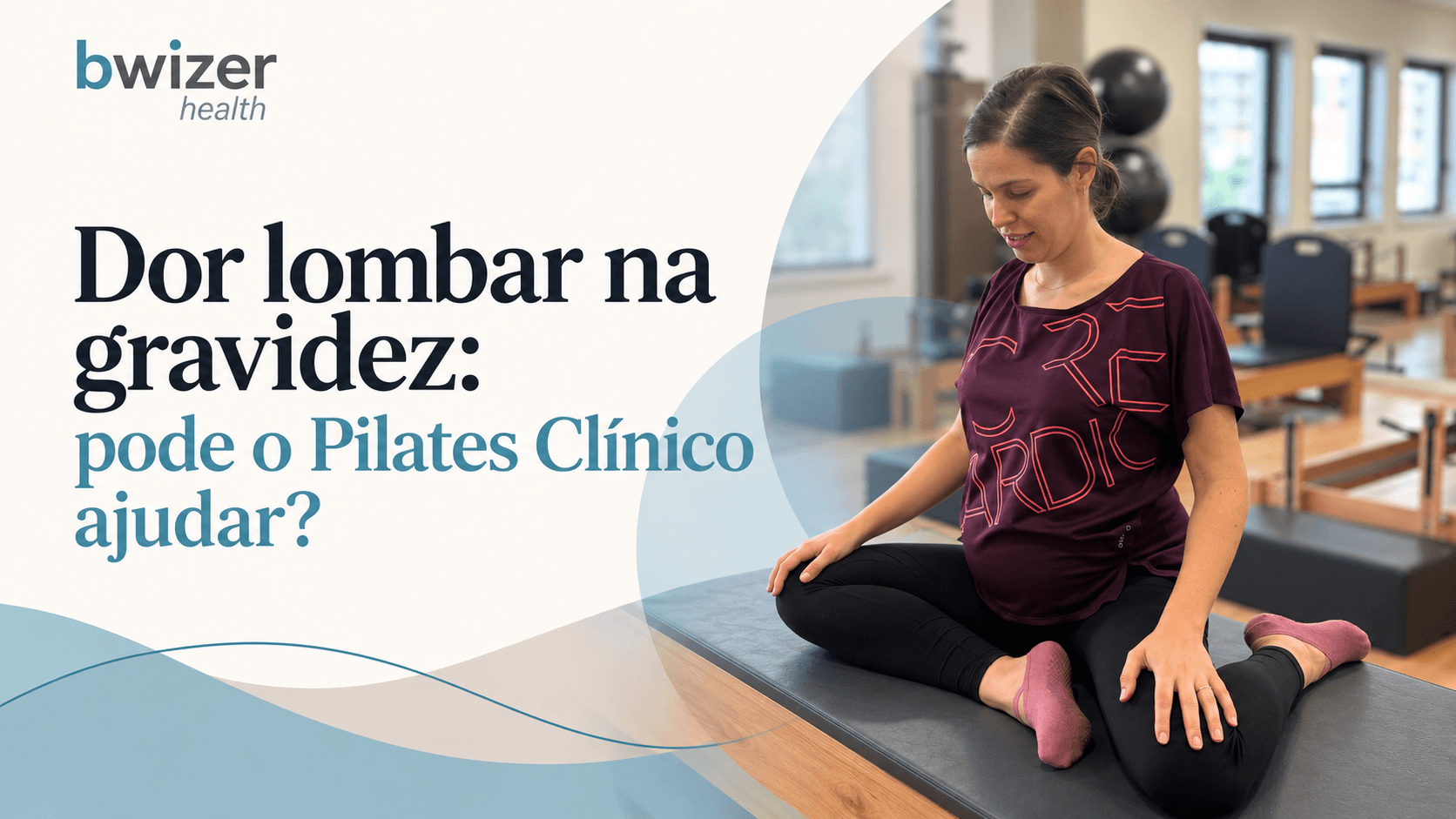
Low back pain during pregnancy: can Clinical Pilates help?
Clinical Pilates can be an exercise option during pregnancy and may help some women reduce low back pain, improve function and stay active, provided it is appropriately adapted to the stage of pregnancy and to individual needs.
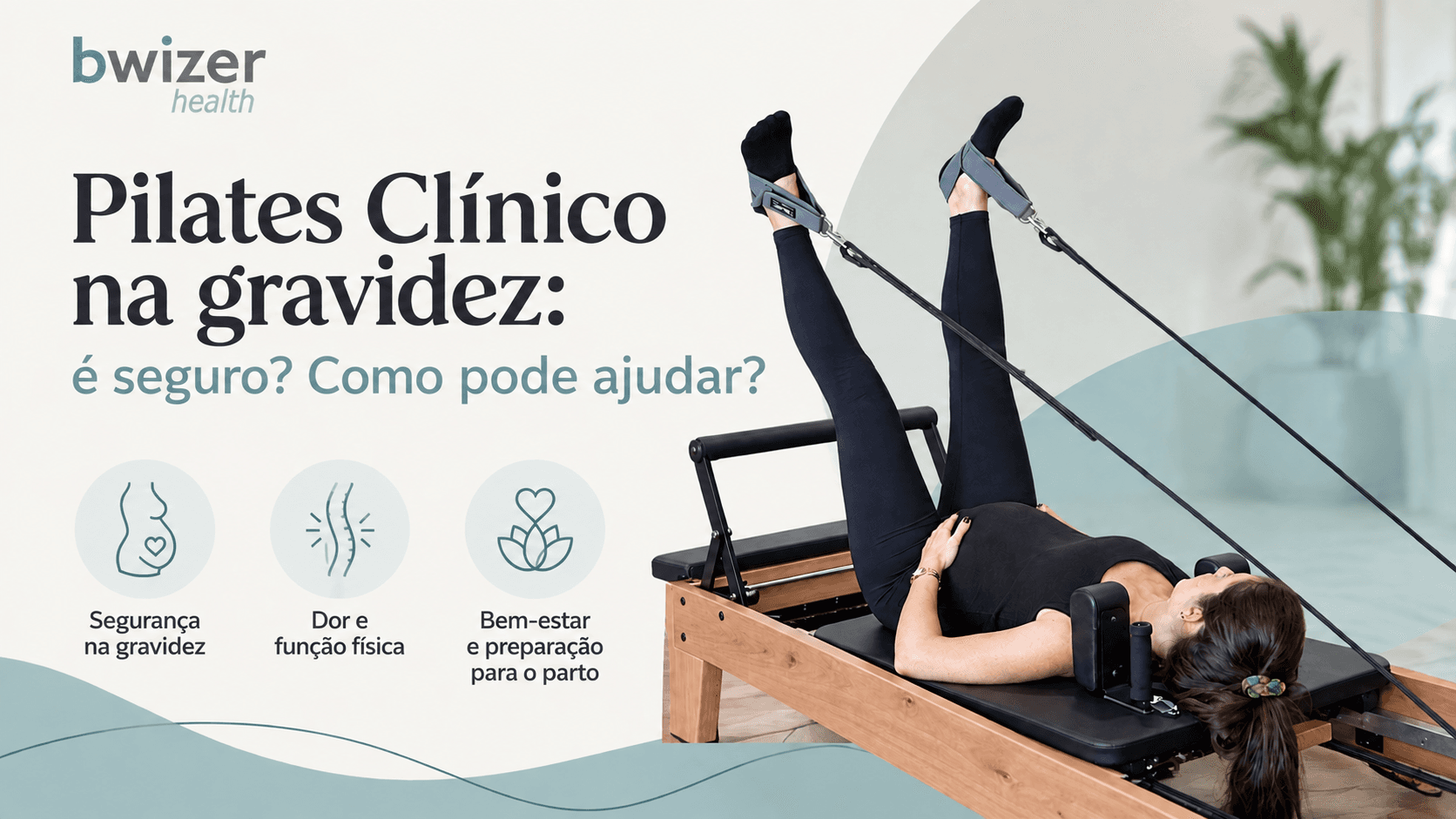
Clinical Pilates during pregnancy: is it safe? How can it help?
Clinical Pilates can be a safe option for women with low-risk pregnancies when appropriately adapted and supervised. Learn how it may help with pain, physical function, well-being and preparation for childbirth.
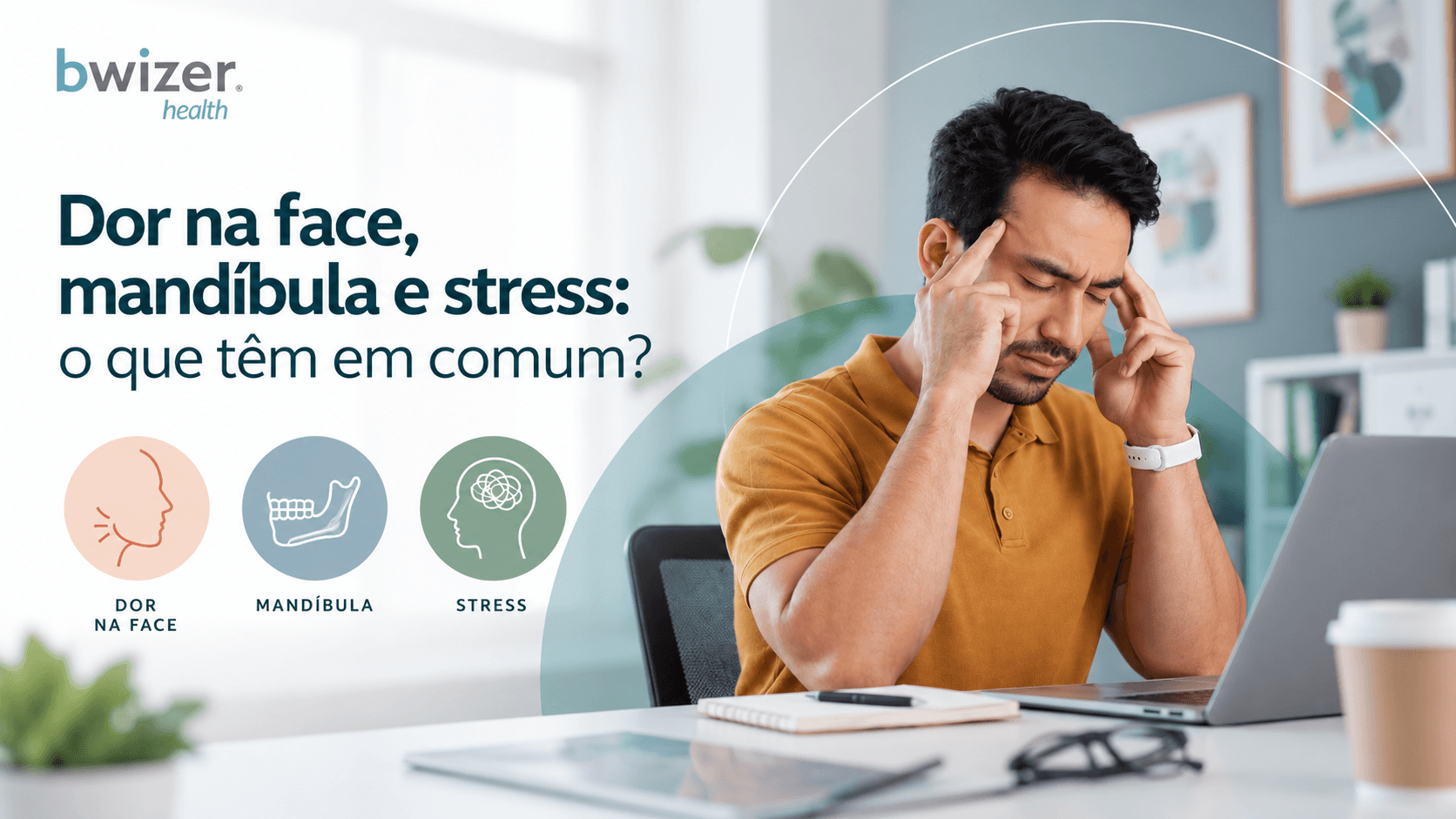
Facial and jaw pain and stress: what do they have in common?
Have you ever felt that your jaw was tired after a difficult day at work? Or noticed that your jaw felt “heavy” or that you were clenching your teeth while concentrating on a task? In this article, we explore how pain, stress and tension can affect your face. Here you will find a practical guide to understanding how Physiotherapy can help break the cycle of orofacial pain, temporomandibular disorders and stress.
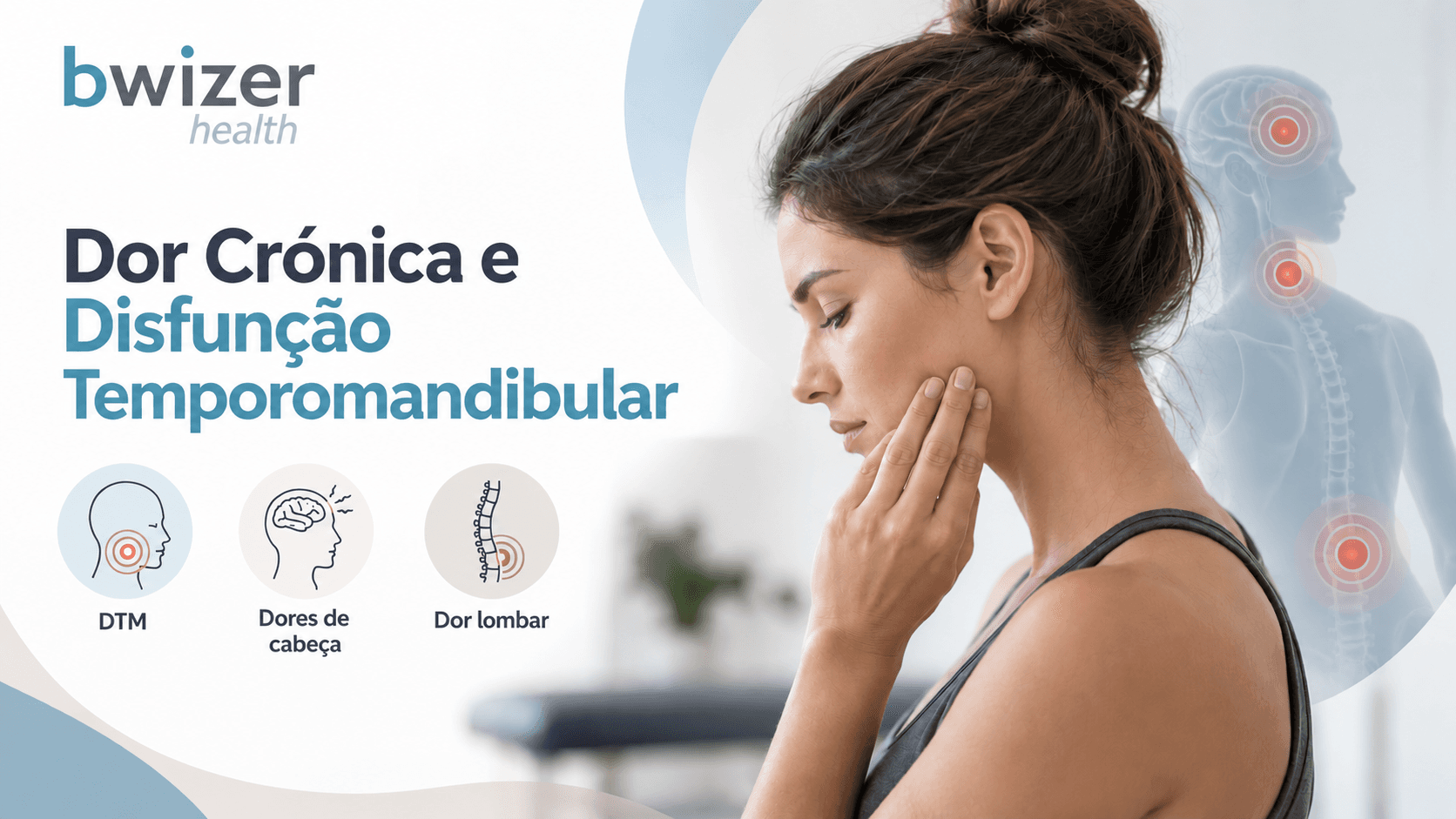
Chronic Pain and Temporomandibular Disorders
Temporomandibular Disorders (TMD) can be associated with persistent pain in other parts of the body, including the head, neck, or lower back. Understanding this connection helps explain why management may need to extend beyond the jaw.
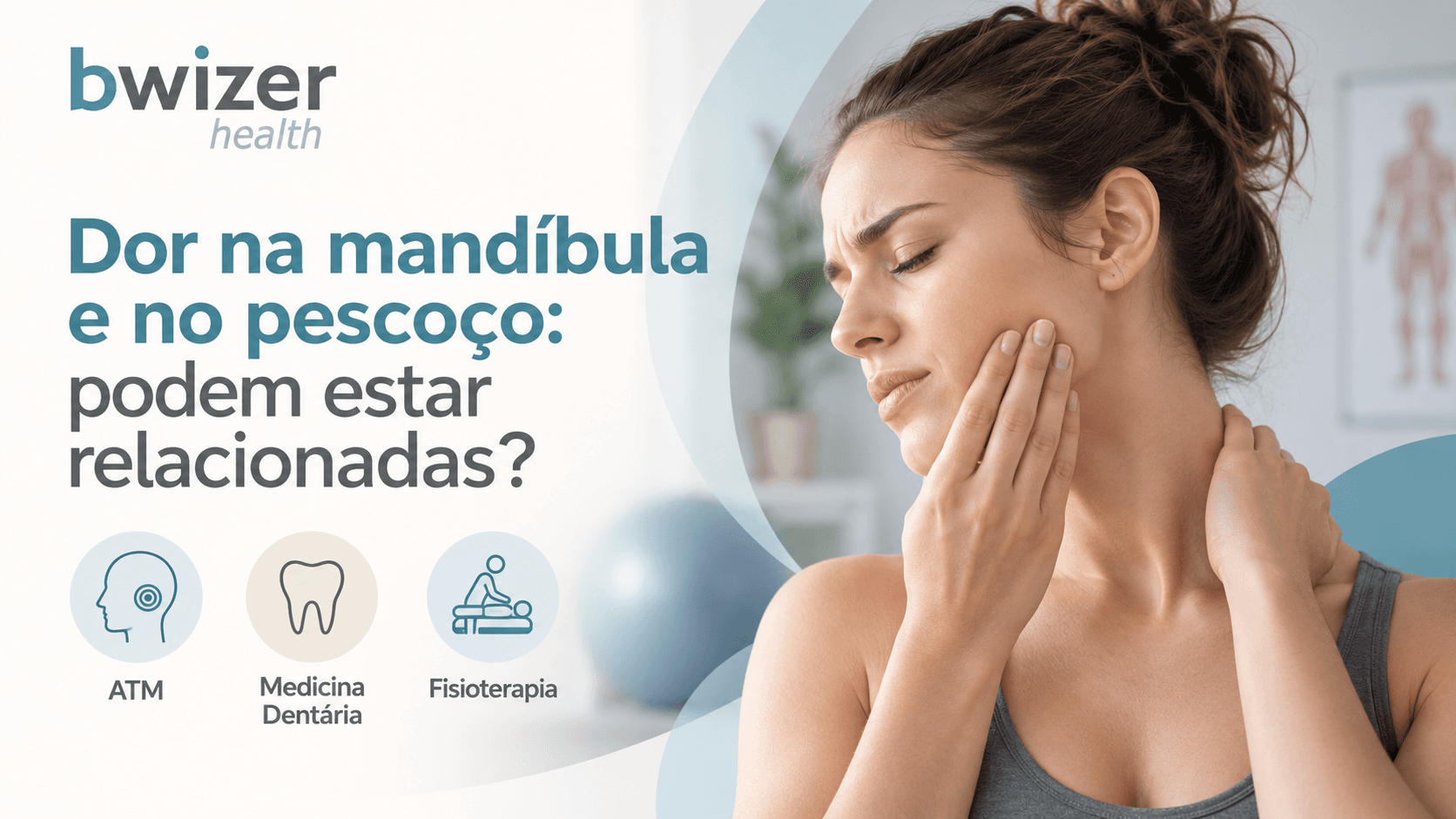
Jaw and neck pain: can they be related?
The short and clear answer is yes, jaw pain and neck pain can be related. For this reason, people seeking help for jaw discomfort, pain, or even clicking may also report neck stiffness or pain, muscle tension, and frequent headaches.
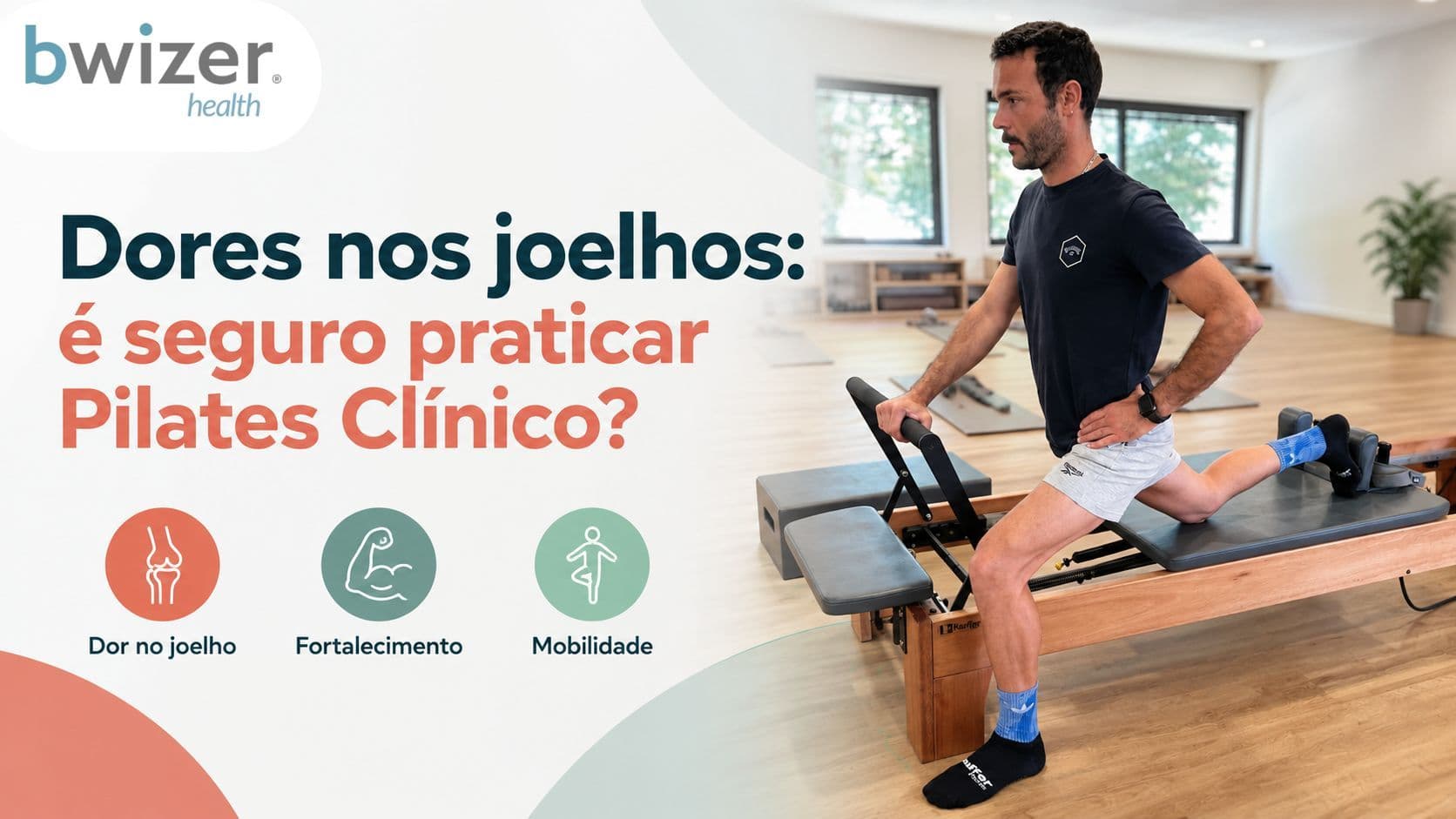
Knee Pain: is it safe to practice Clinical Pilates?
Among the various non-pharmacological treatment options available, Clinical Pilates, a clinical exercise method delivered by physiotherapists, has emerged as a promising and increasingly popular therapeutic intervention. But is this type of exercise safe for people who already experience pain, particularly joint pain?
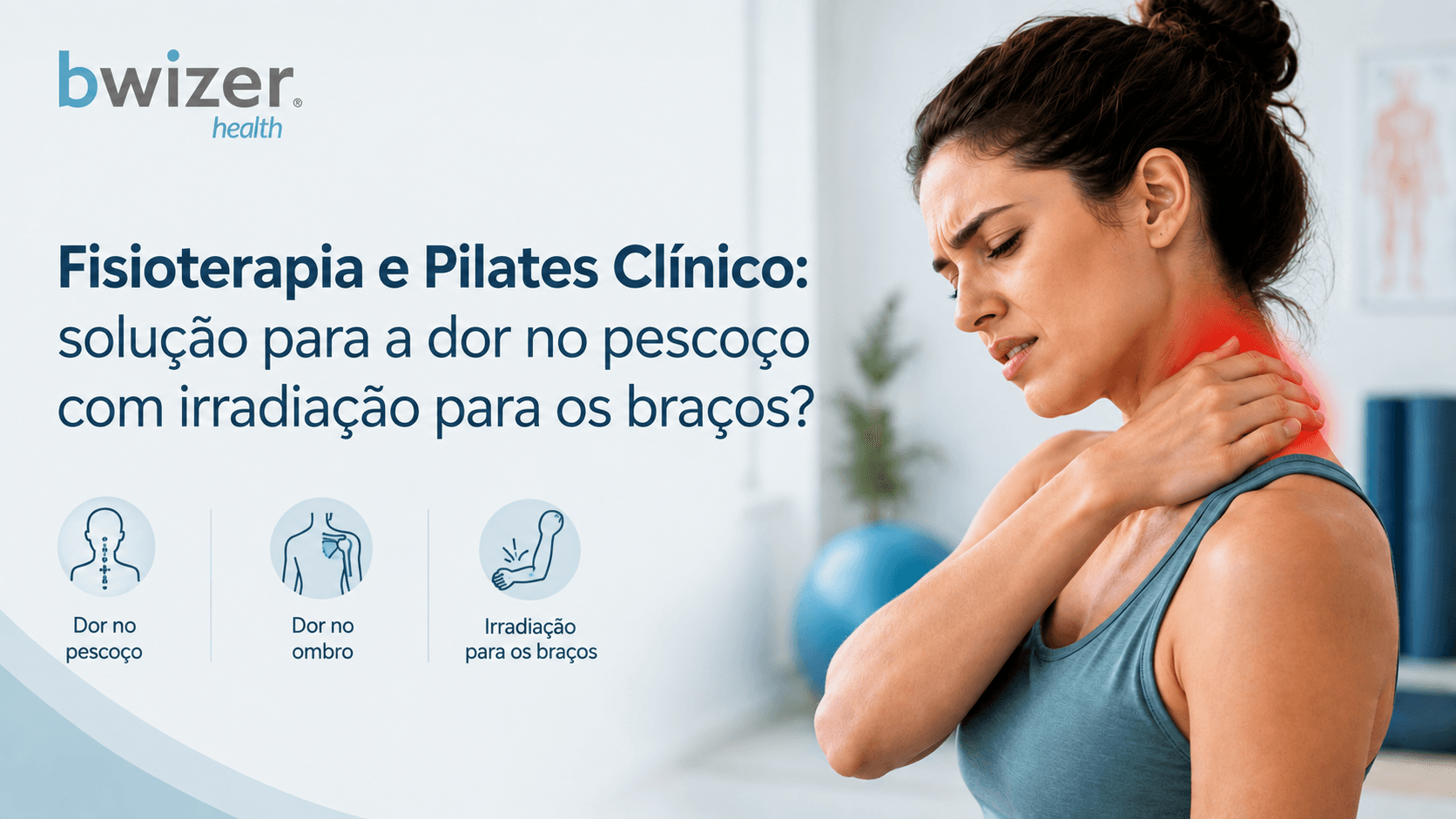
Physiotherapy and Clinical Pilates: a solution for neck pain radiating to the arms?
Neck pain can radiate to the shoulders and arms, affecting function and quality of life. In this article, we explore the role of Clinical Pilates, integrated into Physiotherapy, in managing neck pain with radiating symptoms, from assessment and identification of red flags to therapeutic exercise focused on motor control, mobility and functional recovery.
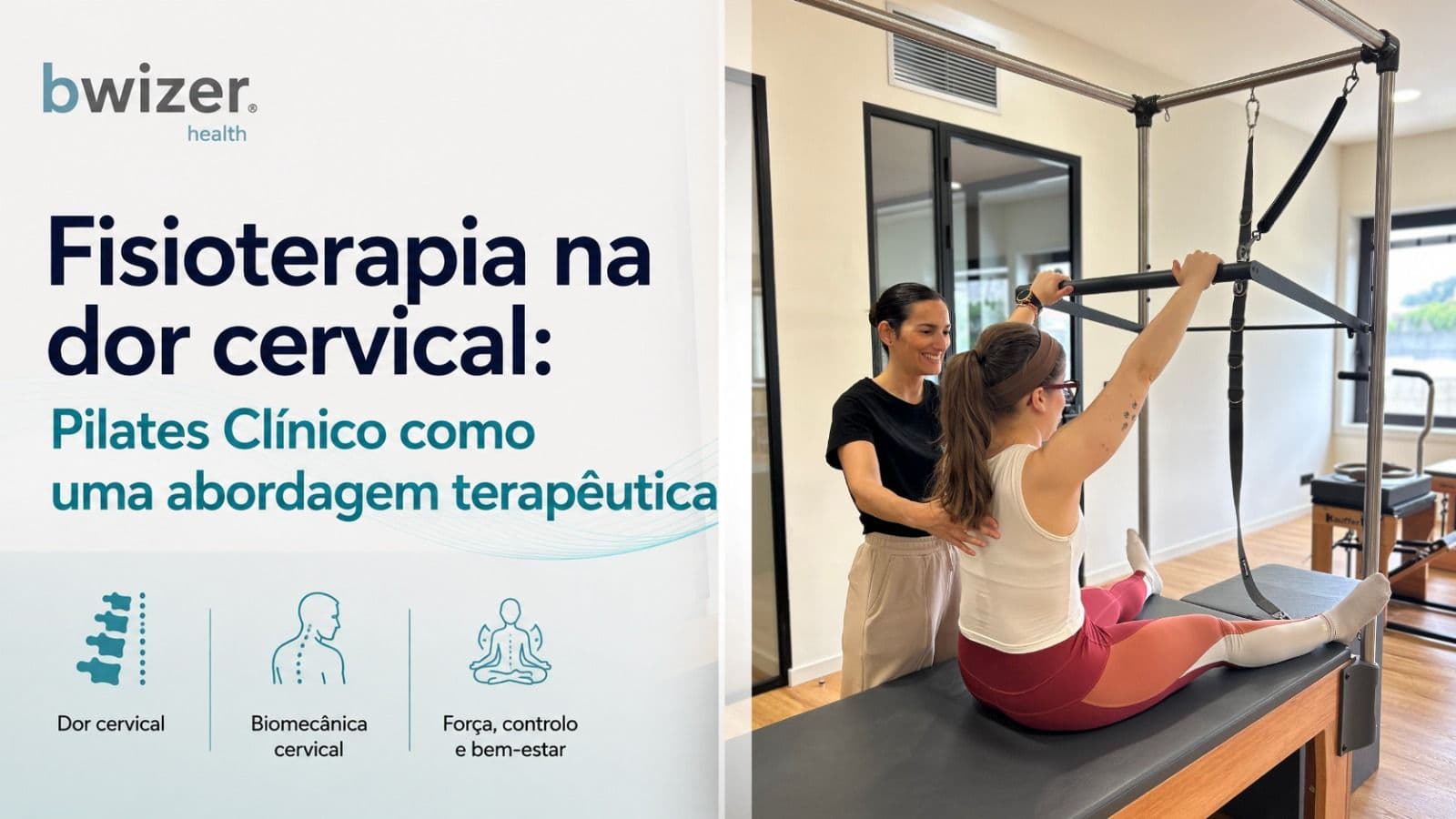
Physiotherapy for neck pain: Clinical Pilates as a therapeutic approach
Current scientific evidence supports physical exercise as one of the first-line physiotherapy interventions for neck pain. Within this context, Clinical Pilates stands out as a safe and effective therapeutic tool to support recovery.
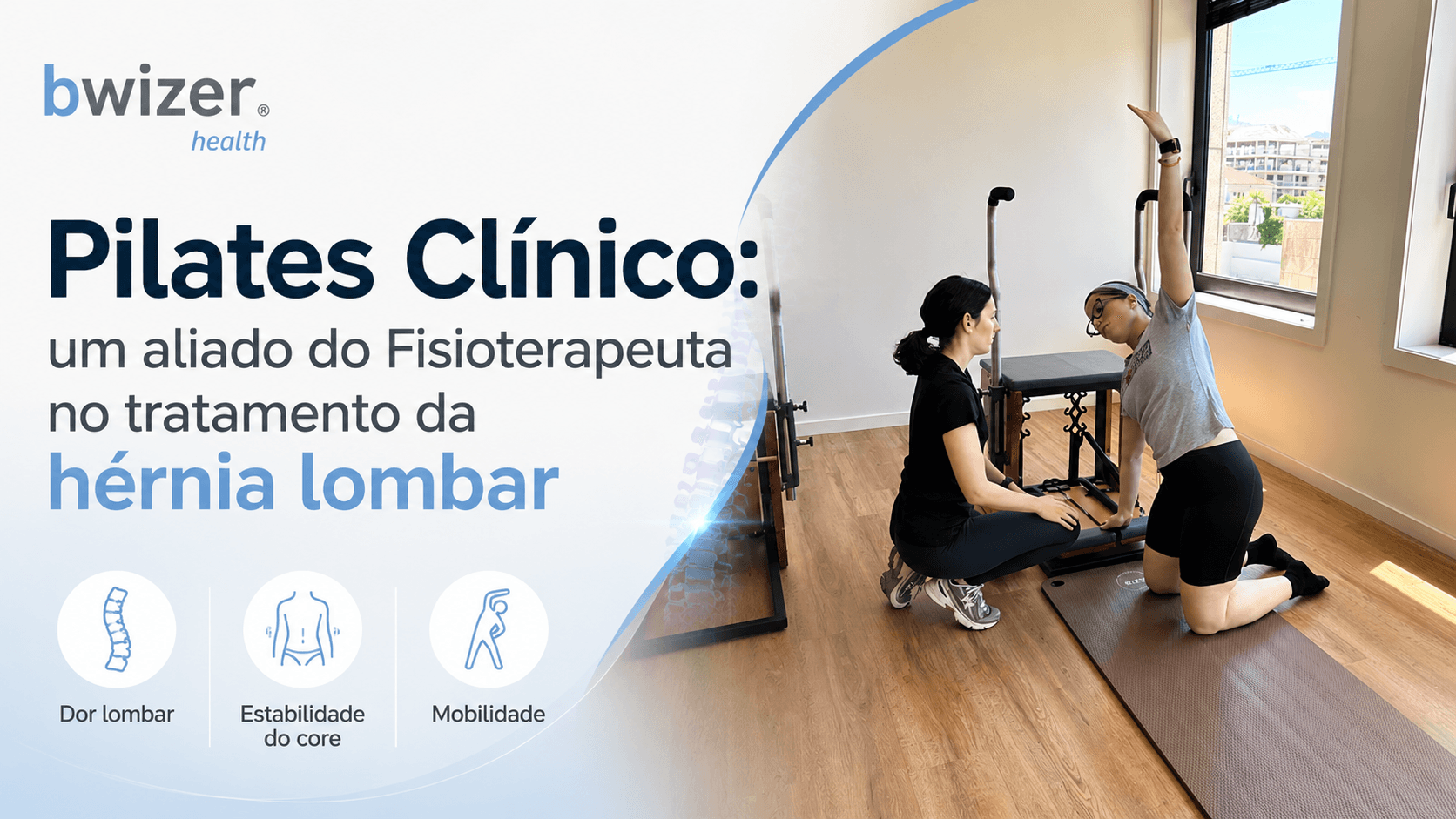
Clinical Pilates: an ally for Physiotherapists in the treatment of lumbar disc herniation
Current evidence highlights Clinical Pilates as one of the most recommended non-surgical physiotherapy interventions for managing symptoms and improving quality of life in people experiencing pain associated with lumbar disc herniation.
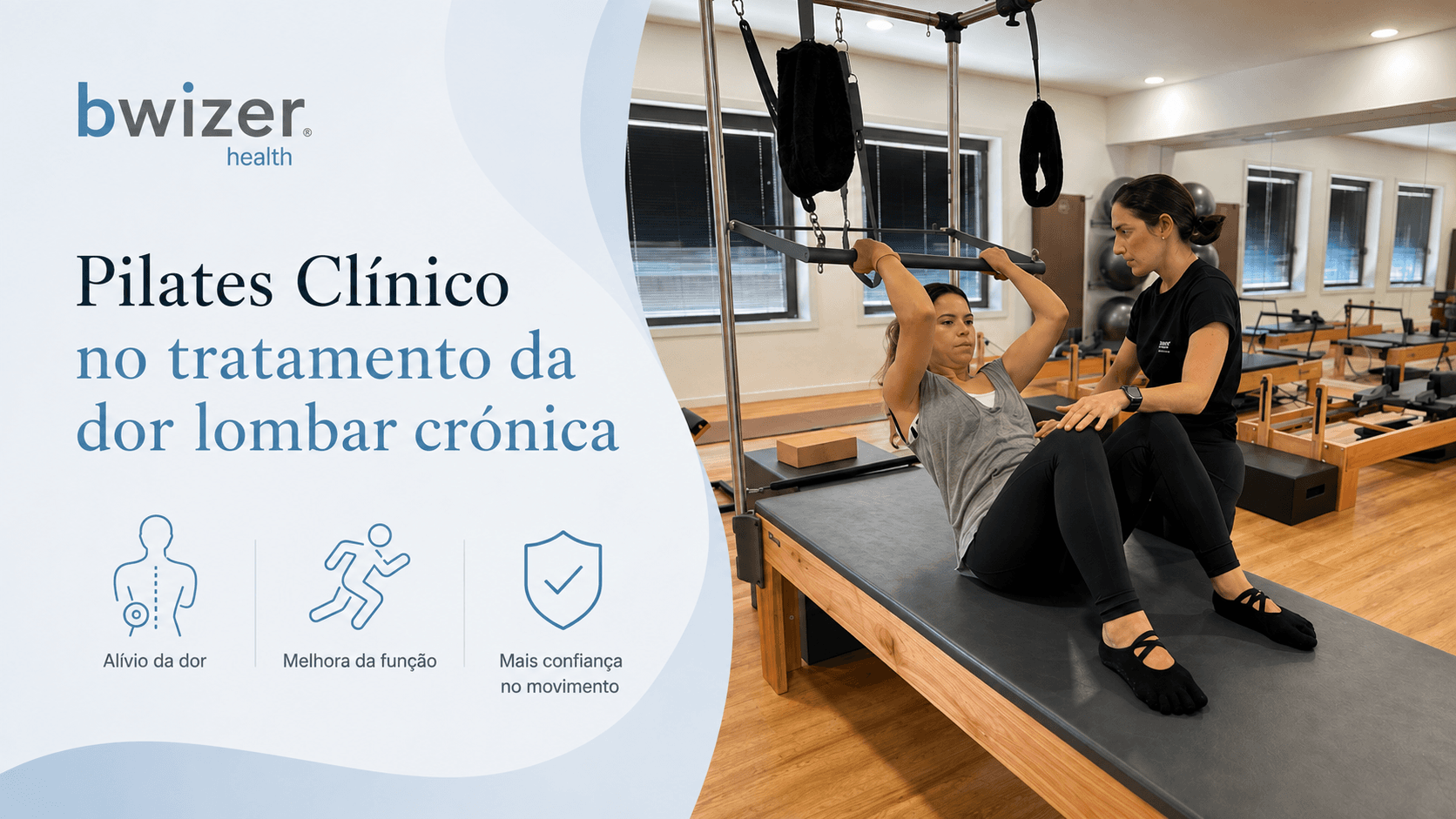
Clinical Pilates in the Treatment of Chronic Low Back Pain: Benefits and Recommendations
Low back pain, particularly when it becomes chronic, can limit movement, independence and confidence in everyday activities. Clinical Pilates is one of the exercise-based approaches used in this context, combining movement control, strengthening, mobility and body awareness. But what can it actually offer - and how should it be approached?
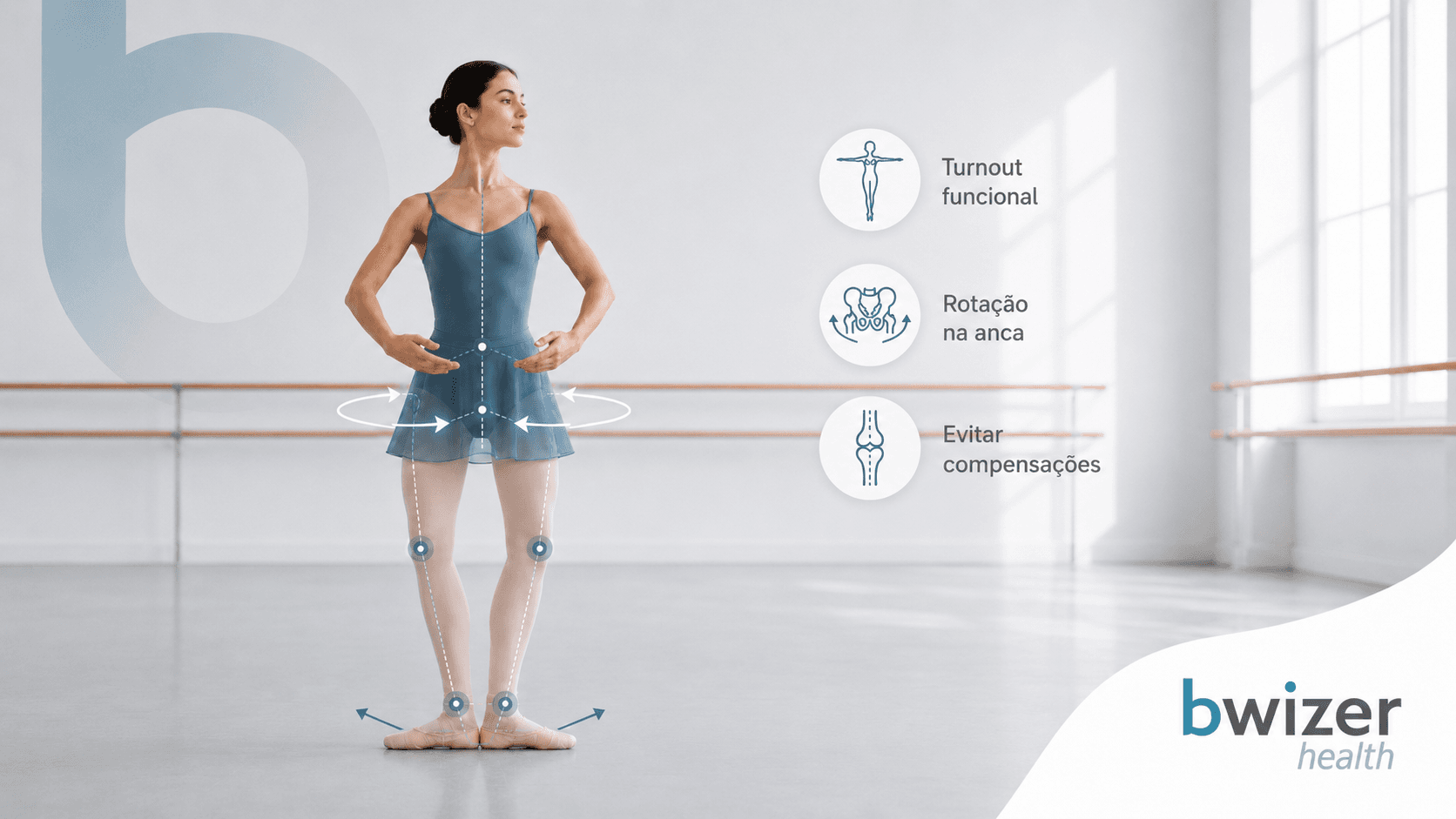
Turnout: the hidden risks of chasing more rotation
A high-quality turnout is not the one that seeks the greatest possible range of motion, but rather the one that can generate rotation from the hip and maintain it with control, stability and safety.
Dance injury risk: which factors deserve your attention?
A dance injury rarely depends on a single factor. Discover the Bwizer Health Dance Injury Risk Calculator and learn how symptoms, injury history, training load and recovery can help identify factors that deserve attention.
“Can I keep dancing with this pain?” - A quick checklist for dancers
For dancers who experience pain during or after dancing and want to understand whether they should monitor their symptoms, adapt their training load or seek professional assessment. It helps identify signs that pain may be affecting technique, confidence, training load or movement safety.
Clinical Pilates for Dancers: Much More Than Flexibility
Dance injuries do not occur simply because of a lack of flexibility, but because of a loss of control during repeated movement under load — and that is precisely what Clinical Pilates is designed to address.
Dancing with Pain: When Could It Be a Sign That You Need an Assessment?
Dancing with pain does not always mean you need to stop. However, recurring or worsening pain, or pain that changes your technique, deserves assessment. The sooner the pattern is identified, the clearer the decision-making process is likely to be.
Urinary Incontinence: why it happens and how Physiotherapy restores your confidence
Have you ever avoided leaving the house because you were afraid you wouldn’t reach the bathroom in time? Or stopped yourself from laughing freely because you were worried about leaking urine? If so, you are not alone, and there is a solution. At Bwizer Health, we work every day with people who silently suffer from urinary leakage. That is why we created this clear and straightforward guide to help you.
Explore our services
Clinical Pilates, musculoskeletal physiotherapy, and pelvic physiotherapy, in Porto or online.