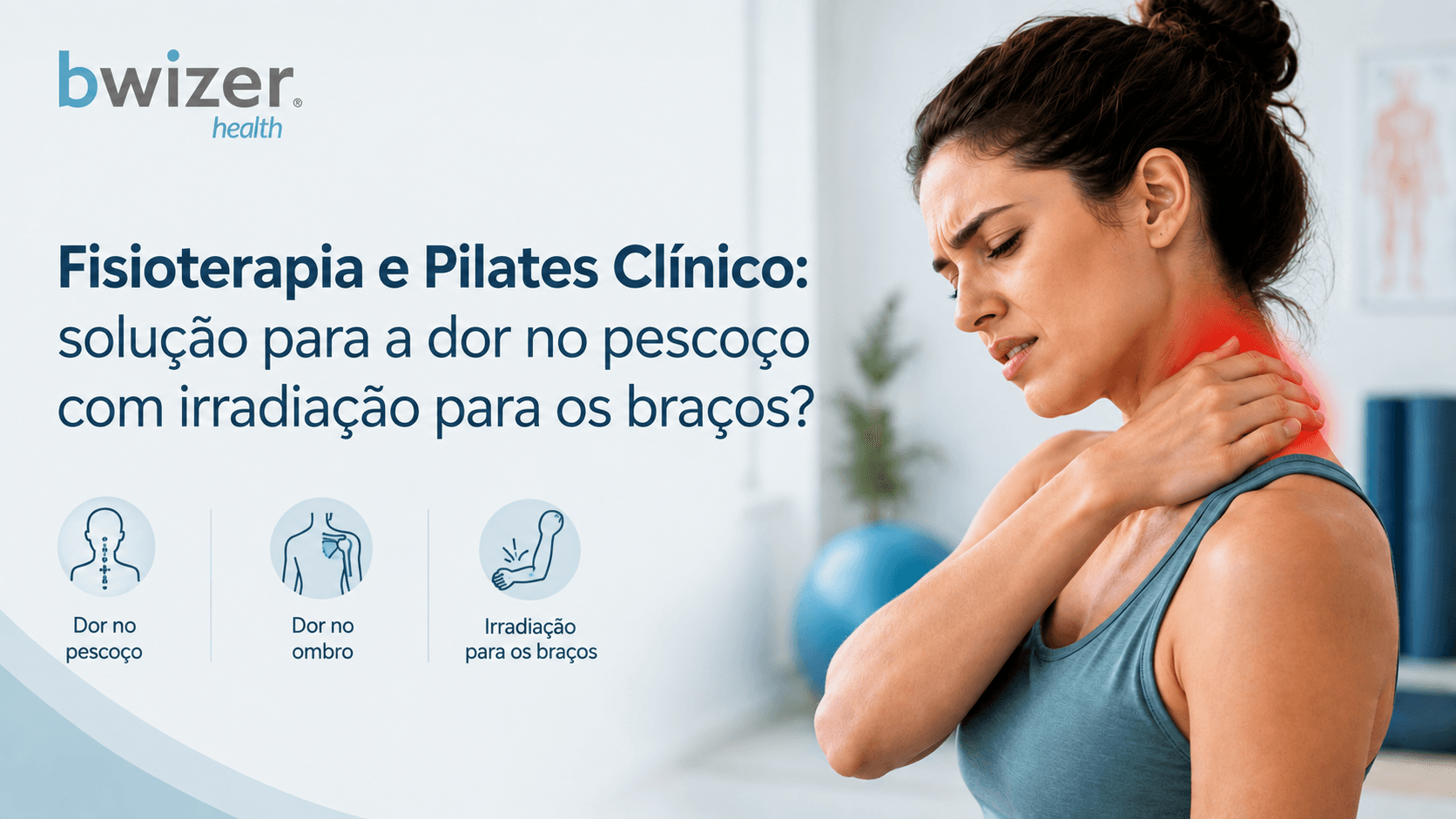
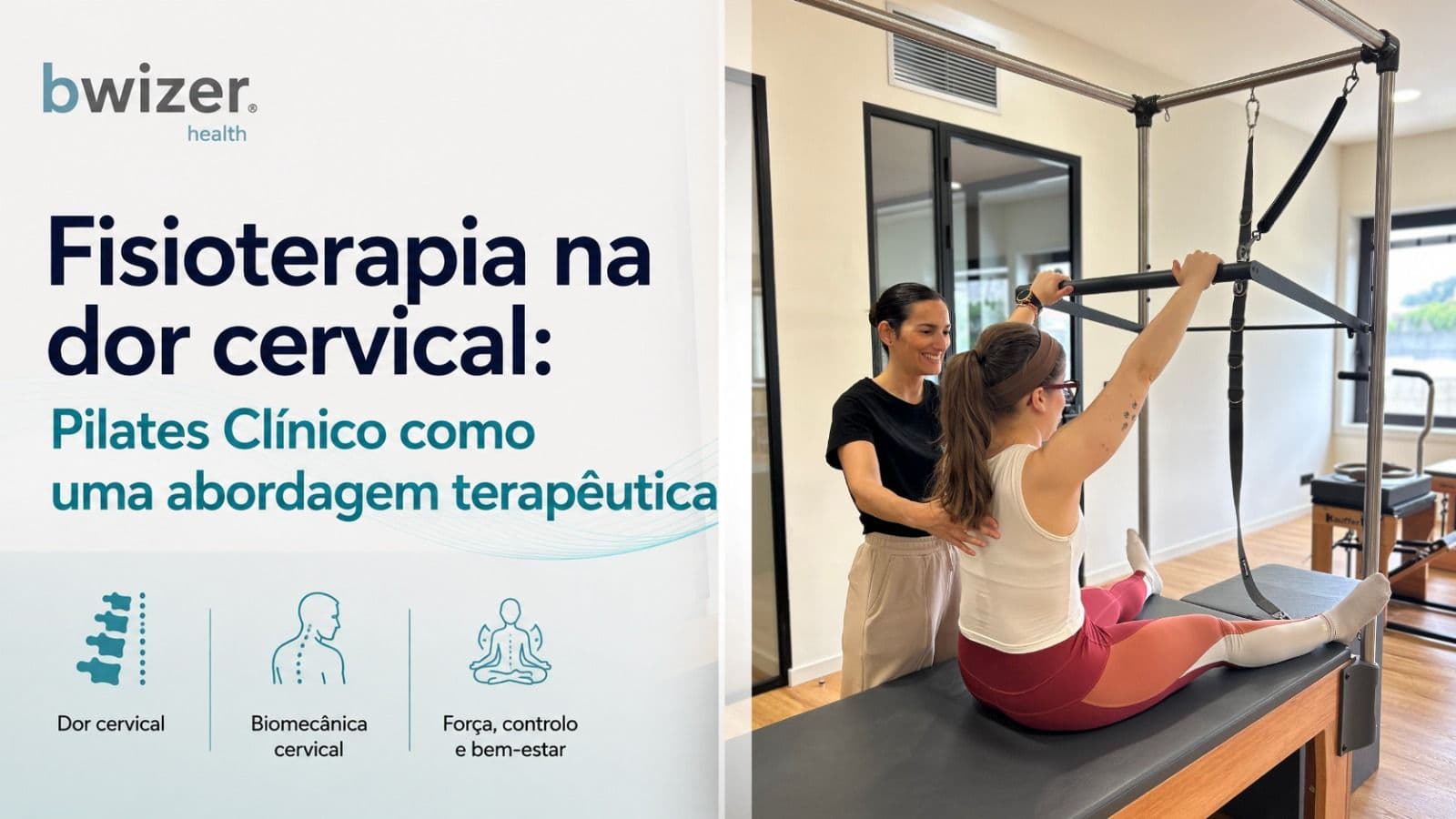
Physiotherapy for neck pain: Clinical Pilates as a therapeutic approach

Current scientific evidence supports physical exercise as one of the first-line physiotherapy interventions for neck pain. Within this context, Clinical Pilates stands out as a safe and effective therapeutic tool to support recovery.
Neck pain is a global public health problem affecting approximately 30% to 50% of the adult population each year and is particularly common among office workers and frequent computer users. If not managed appropriately, acute pain can become chronic, significantly affecting function and quality of life.
Current scientific evidence supports physical exercise as one of the first-line physiotherapy interventions for neck pain. Within this context, Clinical Pilates stands out as a safe and effective therapeutic tool to support recovery.
When symptoms extend to the shoulder or arm, the condition warrants a more detailed evaluation.
The benefits of Clinical Pilates for neck pain
Research shows that Clinical Pilates is highly effective in reducing pain intensity and improving functional disability in people with chronic neck pain when compared with no exercise.
Its main therapeutic benefits include:
- Strengthening the deep neck muscles: Clinical Pilates focuses on activating the deep neck flexor muscles, which play an important role in cervical spine stability. Studies suggest that regular practice can increase the thickness and cross-sectional area of these muscles, helping to address the muscle changes often associated with chronic neck pain.
- Improving cervical biomechanics: Clinical Pilates can help improve postural alignment and cervical mobility. It may be particularly useful for people who frequently adopt a forward head posture, which is common in modern lifestyles, helping them regain the ability to adopt and move between different neck postures comfortably.
- Reducing fear of movement (kinesiophobia): many people with neck pain avoid moving their neck because they are afraid of making their symptoms worse. Clinical Pilates can help reduce this fear by promoting greater confidence in movement and body awareness.
- Improving well-being at work: for people experiencing work-related neck pain, Clinical Pilates may help reduce stress and fatigue while improving job satisfaction and sleep quality.
Is Clinical Pilates better than other types of exercise?
Science rarely points to a single “best” form of exercise that is superior to all others. Clinical Pilates appears to produce outcomes comparable to other exercise modalities, including traditional strength training.
Therefore, as an effective form of exercise with results comparable to traditional strength training, Clinical Pilates provides physiotherapists with another valuable therapeutic option. This broadens the range of approaches that can be offered to patients and makes it easier to tailor treatment to each person's individual preferences, needs and goals.
Practical recommendations
For Clinical Pilates to have a meaningful therapeutic effect, the evidence suggests the following guidelines:
- Optimal duration: programmes lasting 8 to 12 weeks appear to produce the most consistent results.
- Frequency: practice 2 to 3 times per week, with sessions lasting approximately 45 to 60 minutes.
- Safety: Clinical Pilates is considered a low-impact and very safe form of exercise, with no significant adverse effects reported in people with neck pain.
- Supervision by a qualified professional: exercises should be performed under the supervision of a qualified physiotherapist, who can adapt the exercise repertoire - whether mat-based or using equipment such as the Reformer or Cadillac - to each person's specific needs.
Conclusion
If you suffer from neck pain, Clinical Pilates is more than simply a form of fitness - it is a therapeutic approach supported by scientific evidence. By focusing on movement control, breathing and spinal alignment, physiotherapists can use this method to provide a safe pathway towards restoring function and reducing pain and its impact on daily life.
Clinical Pilates can therefore be an excellent option for people of all ages who want to stay active, reduce sedentary behaviour and improve their neck health.
Always consult a healthcare professional before starting any exercise programme to ensure that the approach is appropriate for your specific condition.
Referências
Byrnes, K., Wu, P.-J., & Whillier, S. (2018). Is Pilates an effective rehabilitation tool? A systematic review. Journal of Bodywork and Movement Therapies, 22(1), 192–202. https://doi.org/10.1016/j.jbmt.2017.04.008
de Zoete, R. M. J., Armfield, N. R., McAuley, J. H., Chen, K., & Sterling, M. (2021). Comparative effectiveness of physical exercise interventions for chronic non-specific neck pain: A systematic review with network meta-analysis of 40 randomised controlled trials. British Journal of Sports Medicine, 55(13), 730–742. https://doi.org/10.1136/bjsports-2020-102664
Denham-Jones, L., Gaskell, L., Spence, N., & Pigott, T. (2022). A systematic review of the effectiveness of Pilates on pain, disability, physical function, and quality of life in older adults with chronic musculoskeletal conditions. Musculoskeletal Care, 20(1), 10–30. https://doi.org/10.1002/msc.1563
Jadhakhan, F., Sobeih, R., & Falla, D. (2023). Effects of exercise/physical activity on fear of movement in people with spine-related pain: A systematic review. Frontiers in Psychology, 14, 1213199. https://doi.org/10.3389/fpsyg.2023.1213199
Kamioka, H., Tsutani, K., Katsumata, Y., Yoshizaki, T., Okuizumi, H., Okada, S., Park, S.-J., Kitayuguchi, J., Abe, T., & Mutoh, Y. (2016). Effectiveness of Pilates exercise: A quality evaluation and summary of systematic reviews based on randomized controlled trials. Complementary Therapies in Medicine, 25, 1–19. https://doi.org/10.1016/j.ctim.2015.12.018
Lazoura, E., Savva, C., Ploutarchou, G., Papacharalambous, C., Christofi, I., Rentzias, P., & Karagiannis, C. (2025). Effectiveness of the Pilates method in patients with chronic neck pain: A systematic review with meta-analysis. BMC Musculoskeletal Disorders, 26(1), 629. https://doi.org/10.1186/s12891-025-08888-2
Mueller, J., Weinig, J., Niederer, D., Tenberg, S., & Mueller, S. (2023). Resistance, motor control, and mindfulness-based exercises are effective for treating chronic nonspecific neck pain: A systematic review with meta-analysis and dose-response meta-regression. Journal of Orthopaedic & Sports Physical Therapy, 53(8), 420–459. https://doi.org/10.2519/jospt.2023.11820
Park, S., Kim, K., & Kang, M. (2025). The effects of rehabilitation programs incorporating breathing interventions on chronic neck pain among patients with forward head posture: A systematic review and meta-analysis. Bioengineering, 12(9), 947. https://doi.org/10.3390/bioengineering12090947
Rasmussen-Barr, E., Halvorsen, M., Bohman, T., Boström, C., Dedering, Å., Kuster, R. P., Olsson, C. B., Rovner, G., Tseli, E., Nilsson-Wikmar, L., & Grooten, W. J. A. (2023). Summarizing the effects of different exercise types in chronic neck pain: A systematic review and meta-analysis of systematic reviews. BMC Musculoskeletal Disorders, 24(1), 806. https://doi.org/10.1186/s12891-023-06930-9
Trigonis, I., Tsartsapakis, I., Zafeiroudi, A., Maria, G., Karakatsanis, K., Grivas, G., & Kouli, O. (2026). Pilates method as a biopsychosocial intervention in the modern workplace: A systematic review of physical, mental, and occupational benefits. Healthcare, 14(13), 1852. https://doi.org/10.3390/healthcare14131852