Bruxism and jaw pain: what is the role of Physiotherapy?

Physiotherapist
Clenching your teeth or waking up with a tired jaw does not always mean there is a health problem. Discover the differences between awake and sleep bruxism, their possible relationship with jaw pain, and how physiotherapy and self-management strategies may help when symptoms arise.
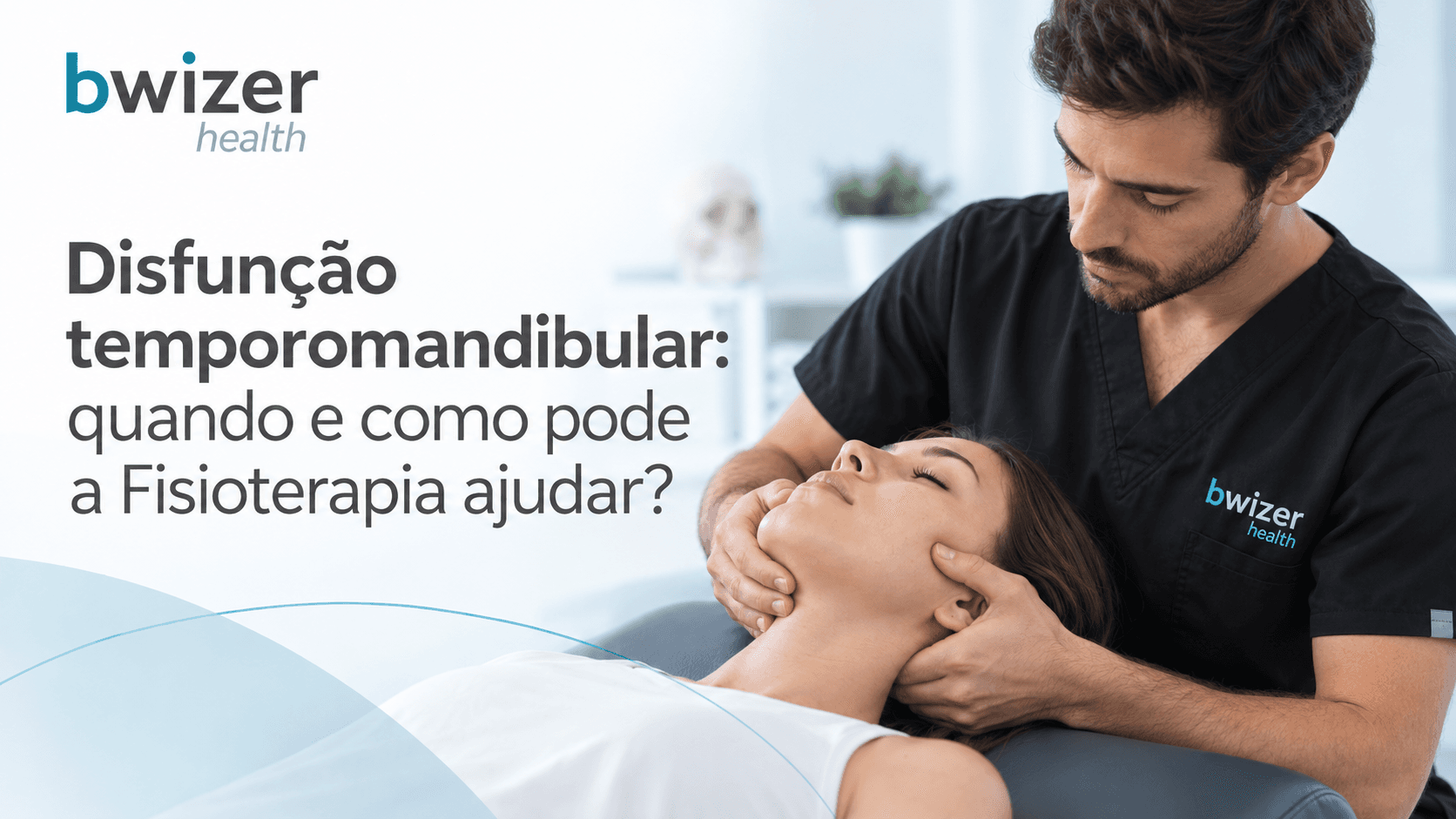
In people with bruxism and jaw pain, physiotherapy can help relieve pain, tension and stiffness in the muscles of the face and neck. A physiotherapist can help restore normal mouth movement and teach practical strategies for everyday life, allowing you to manage pain and regain your quality of life.
What is bruxism?
Bruxism can be defined as repetitive or sustained activity of the chewing muscles. It is a motor behaviour rather than a disease diagnosis and can be divided into:
- Awake bruxism: muscle activity characterised by repeated or sustained tooth contact and/or sustained contraction or thrusting of the jaw while the person is awake.
- Sleep bruxism: activity of the chewing muscles that occurs during sleep and may follow a rhythmic or non-rhythmic pattern.
Bruxism is not a disease in itself. It may be considered a harmless behaviour, a risk factor (when it causes mechanical overload, orofacial pain, muscle fatigue or severe tooth wear), or even a protective factor in certain circumstances (such as, in some cases, helping maintain airway patency in obstructive sleep apnoea).
Its clinical relevance depends exclusively on the presence and severity of its consequences.
How is bruxism related to jaw pain?
Continuous or excessive activity of the chewing muscles may cause mechanical overload. When this exceeds the muscles' capacity to adapt and tolerate the load, it can result in muscle pain (myalgia), fatigue and increased muscle tension (hypertonia), particularly in the masseter and temporalis muscles.
Bruxism may be associated with Temporomandibular Disorders (TMD). However, scientific literature emphasises that this association does not imply a direct causal relationship. Bruxism and TMD are also known to share common neurobiological and psychosocial risk factors.
Does tooth wear or tongue indentation mean you have bruxism?
Tooth wear and/or tongue indentations are not, on their own, exclusive indicators of bruxism (as tooth wear may also result from chemical erosion or physiological ageing). Likewise, the absence of these signs does not rule out bruxism.
Furthermore, studies have shown that sleep bruxism does not have a direct causal association with degenerative joint changes.
What factors are associated with bruxism?
Psychosocial factors
Awake bruxism is associated with higher levels of stress, anxiety, stress sensitivity and depressive symptoms. Stress may act as a trigger within the central nervous system, increasing the frequency and duration of parafunctional muscle contractions (muscle activity unrelated to normal functions such as chewing).
In the case of sleep bruxism, associations with psychosocial factors are less consistent.
Lifestyle
Bruxism is predominantly regulated by the central nervous system and influenced by genetic factors and lifestyle habits, such as high tobacco, alcohol and/or caffeine consumption, as well as the use of certain psychotropic medications.
Who should you turn to for help?
The clinical management of bruxism can benefit from collaboration between Physiotherapy (management of pain, function and neck/jaw symptoms) and Dentistry (protection of dental structures and dental rehabilitation).
In some cases, other healthcare professionals may also be involved, such as psychologists (for stress and anxiety management) or medical specialists in Neurology, Sleep Medicine or Gastroenterology (for the diagnosis of associated conditions).
Dentistry
Dentists assess oral health and the integrity of teeth and dental restorations, diagnose dental conditions (such as tooth decay, pulpitis and fractures), prescribe and provide protective occlusal splints, and carry out prosthetic or aesthetic rehabilitation when indicated.
Physiotherapy
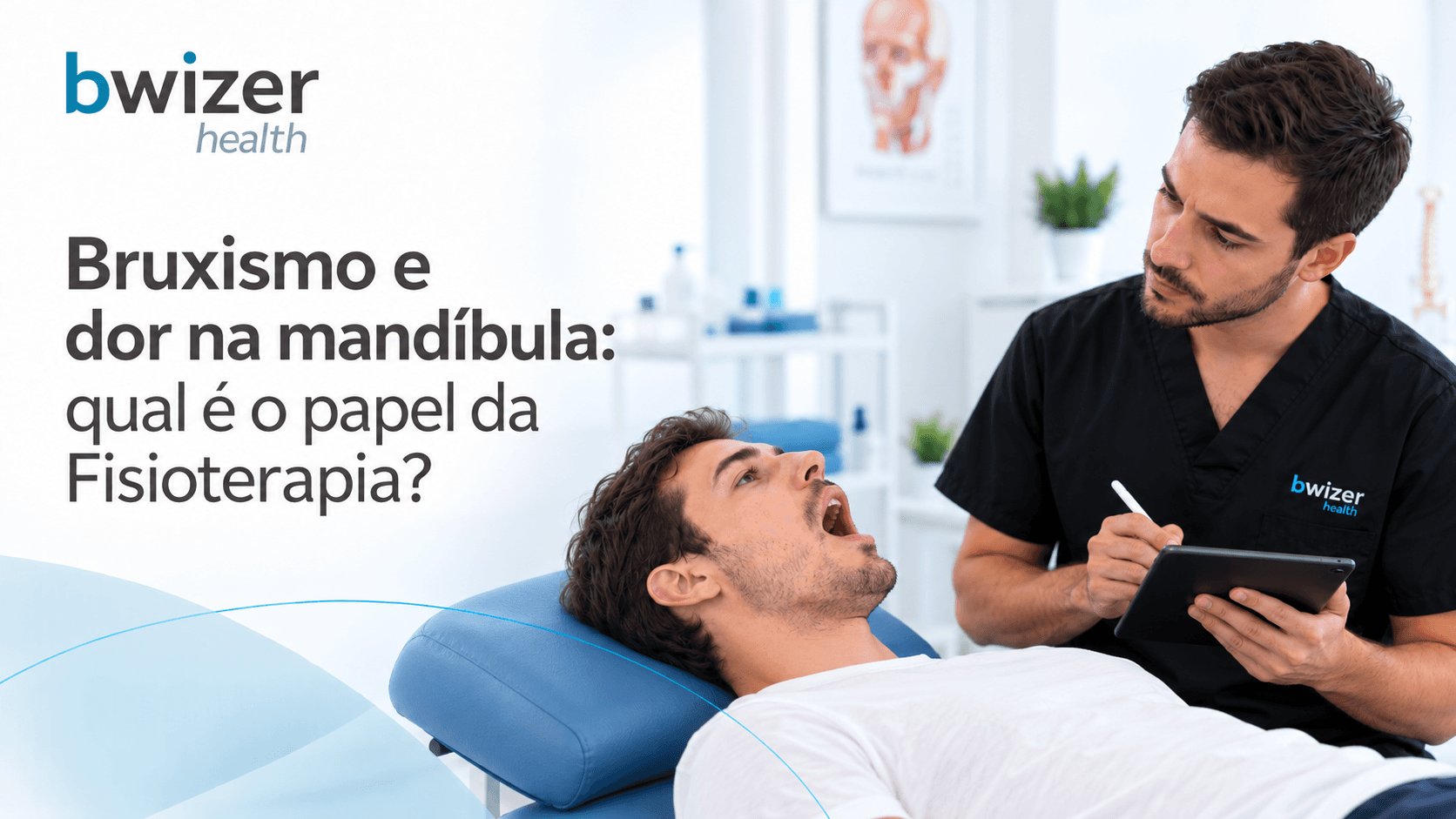
Physiotherapy focuses on the neuromusculoskeletal and functional assessment of the craniocervicomandibular complex (jaw, head and neck). This involves gathering information about pain and functional limitations, assessing the range of motion of the jaw and cervical spine, and examining the chewing and neck muscles.
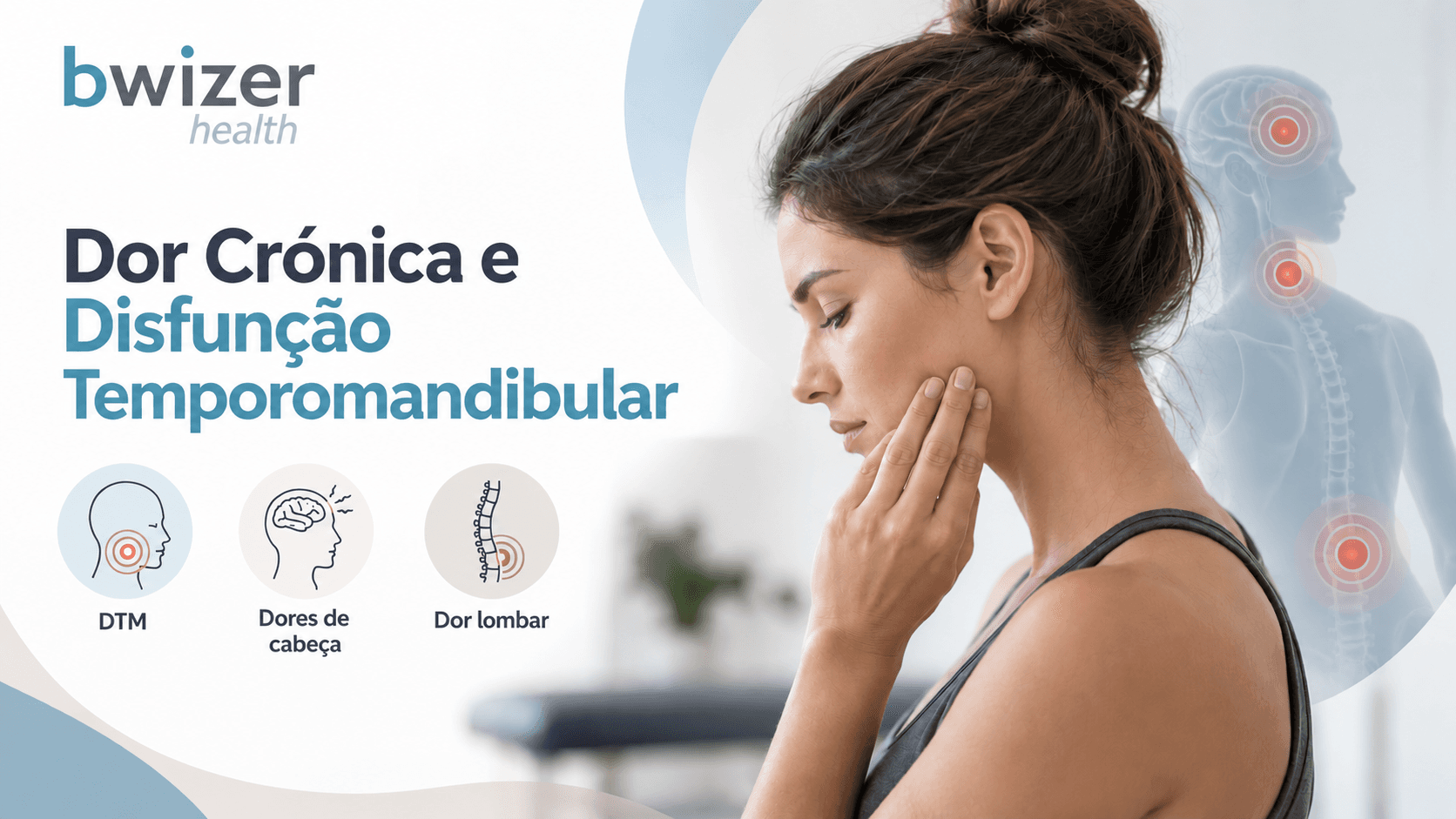
Furthermore, jaw pain should not be assessed in isolation. Scientific evidence indicates that people with jaw pain are more likely to experience other chronic pain conditions simultaneously, such as chronic low back pain, migraines and headaches. This co-occurrence may reflect central sensitisation, a phenomenon in which the central nervous system becomes more reactive to painful stimuli.
For this reason, physiotherapists carry out a comprehensive assessment, considering orofacial symptoms in the context of the person's overall health.
How can Physiotherapy help?
Physiotherapy does not aim to eliminate bruxism (a centrally regulated motor behaviour), but rather to manage and reduce its adverse musculoskeletal consequences.
Physiotherapy management of bruxism can involve several approaches:
- Manual therapy: joint mobilisation and massage of the chewing and neck muscles may significantly reduce orofacial pain and increase maximum mouth opening.
- Therapeutic exercise: muscle stretching, motor control training and strengthening of the deep neck flexor muscles can improve neuromuscular function and reduce pain sensitivity.
- Education and self-management strategies: education about the neuroscience of bruxism, habit reversal techniques, relaxation strategies and awareness of the jaw's resting position have been shown to reduce the frequency of daytime clenching and masseter muscle activity.
One relevant contribution of physiotherapy to jaw pain management is treatment targeting the upper cervical region. Studies suggest that this approach may help reduce orofacial and jaw muscle pain and, in some cases, improve mouth opening.
These benefits may be related to the neurophysiological connections in the brainstem between the trigeminal nerve, which is responsible for sensation in the face and jaw, and the cervical nerves. These connections help explain the relationship between jaw and neck pain.
However, this relationship does not mean that "poor posture" is necessarily the cause of bruxism or jaw pain. Scientific literature does not demonstrate a direct causal relationship between changes in head and neck posture and the presence of bruxism or Temporomandibular Disorders (TMD).
Therefore, an individualised physiotherapy assessment is important to identify the factors that may be contributing to pain and functional limitations, guiding treatment according to each person's needs.
When should you seek help?
Physiotherapy assessment
Consider seeking a physiotherapy assessment if you experience:
- Persistent or recurring pain in the jaw, face, temples or neck;
- Jaw fatigue or stiffness in the morning;
- Restricted movement, deviation or pain when opening your mouth;
- Joint clicking accompanied by pain or locking;
- Frequent headaches around the temples.
If you experience any of these signs or symptoms, book your assessment.
Dental assessment
You should seek assessment from a dentist if you notice visible tooth wear, repeated fractures of teeth or dental restorations, tooth sensitivity to hot or cold temperatures, or if you may require an occlusal splint for mechanical protection.
If you experience sudden jaw locking, significant difficulty opening or closing your mouth, severe pain following trauma, or swelling accompanied by fever, you should seek urgent medical or dental assessment. These signs may indicate conditions requiring immediate clinical attention.
What can you do today?
Below are some self-management strategies for bruxism commonly recommended by Bwizer Health physiotherapists.
- Practise a relaxed jaw resting position: consciously keep your teeth slightly apart, your lips gently closed and your tongue resting against the roof of your mouth.
- Use awareness reminders throughout the day: set visual reminders or notifications on your phone to check for tension in your face and consciously stop clenching your teeth.
- Identify and manage stress and lifestyle factors: try to improve your sleeping habits and reduce factors that may aggravate the condition, such as excessive caffeine consumption and smoking.
- Seek a specialised clinical assessment: book an assessment appointment to identify whether muscle activity is causing overload, pain or restricted movement, rather than delaying professional support.
Key takeaways
- Bruxism is a motor behaviour, not a disease. It involves repetitive activity of the jaw muscles and only requires clinical intervention when it causes adverse consequences, such as pain, stiffness or tooth wear.
- Awake and sleep bruxism are different manifestations. Clenching or bracing the jaw while awake is strongly associated with stress and anxiety and is regulated by the central nervous system differently from bruxism occurring during sleep.
- Physiotherapy helps manage the consequences. Physiotherapy can help relieve orofacial pain, relax the muscles and restore jaw mobility.
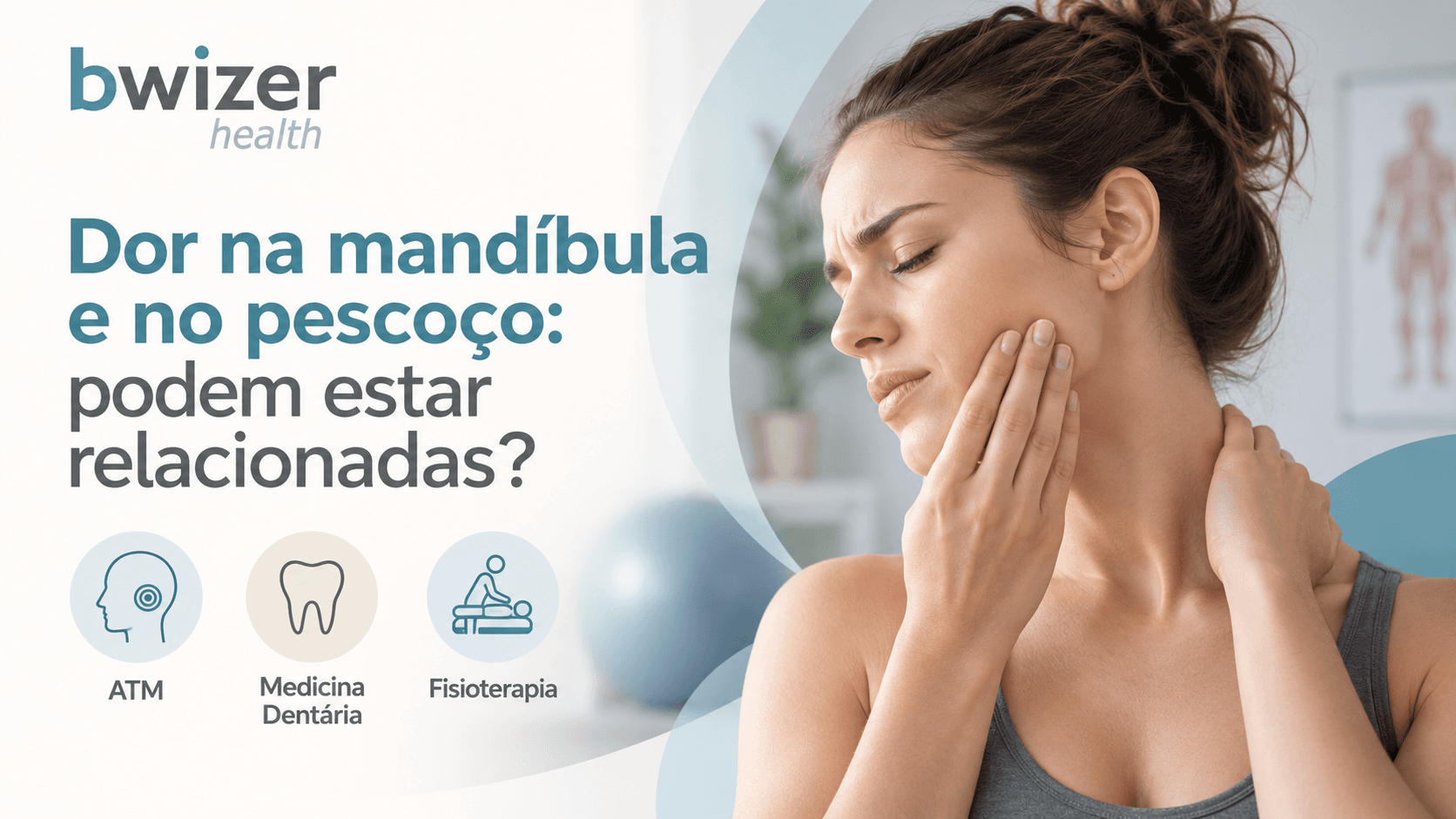
- The jaw and neck work together. Jaw pain or restricted jaw movement is often accompanied by neck pain or stiffness. Therefore, treatment targeting the cervical spine may help reduce facial pain.
- An interdisciplinary approach can be important. In some cases, the best results in reducing pain and protecting oral structures can only be achieved through collaboration between Physiotherapy (pain and function), Dentistry (oral health and protection) and, when necessary, Psychology (stress management).
Our physiotherapy team is available to assess your symptoms and work with you to develop an approach tailored to your needs. Book your assessment at Bwizer Health.
References
Bednarczyk, V., Proulx, F., & Paez, A. (2024). The effectiveness of cervical rehabilitation interventions for pain in adults with myogenic temporomandibular disorders: A systematic review and meta-analysis. Journal of Oral Rehabilitation, 51(6), 1091–1107. https://doi.org/10.1111/joor.13671
Belenda González, I., Montero, J., Gómez Polo, C., & Pardal Peláez, B. (2025). Evaluation of the relationship between bruxism and/or temporomandibular disorders and stress, anxiety, depression in adults: A systematic review and qualitative analysis. Journal of Dentistry, 156, Article 105707. https://doi.org/10.1016/j.jdent.2025.105707
de Oliveira Souza, A. I. S., Raposo, J., da Silva, J. B., Vieira, M. A., Hahn, G., von Pierkartz, H., & Armijo-Olivo, S. (2026). Physical therapy interventions for awake and sleep bruxism: What has been the approach over the last decades? A systematic review of the evidence and research gaps. Dental and Medical Problems, 63(3), 707–733. https://doi.org/10.17219/dmp/215136
de Oliveira-Souza, A. I. S., Ferro, J. K. O., Barros, M. M. M. B., & de Oliveira, D. A. (2020). Cervical musculoskeletal disorders in patients with temporomandibular dysfunction: A systematic review and meta-analysis. Journal of Bodywork and Movement Therapies, 24(4), 84–101. https://doi.org/10.1016/j.jbmt.2020.05.001
Graham, D. A., Lövgren, A., Häggman-Henrikson, B., Peck, C. C., Manfredini, D., & Saracutu, O. I. (2026). Management of awake bruxism: A systematic review. BMC Oral Health, 26, Article 559. https://doi.org/10.1186/s12903-026-07856-z
Justribó-Manion, C., Mesa-Jiménez, J., Caballero-Ruiz-de-la-Hermosa, C., Zuil Escobar, J. C., & Armijo-Olivo, S. (2024). Is low back pain a risk/prognostic factor for the development and/or progression of temporomandibular disorders? A systematic review with meta-analysis. Journal of Oral Rehabilitation, 51(2), 427–454. https://doi.org/10.1111/joor.13601
Pelai, E. B., de Castro-Carletti, E. M., Tavares, L. F., Michelotti, A., Pitance, L., Rodrigues-Bigaton, D., Foltran-Meschollotto, F., Dennett, L., & Armijo-Olivo, S. (2026). Manual therapy and exercise targeted to the neck and orofacial regions for patients with orofacial pain: A systematic review and meta-analysis. Disability and Rehabilitation, 48(2), 286–330. https://doi.org/10.1080/09638288.2025.2539469
Quilghini, C., Lefflot, J., & Buchholtz, K. (2025). The effectiveness of physiotherapy for chronic headaches in patients with temporomandibular disorders: A systematic review. Frontiers in Rehabilitation Sciences, 6, Article 1647927. https://doi.org/10.3389/fresc.2025.1647927
Rocha, C. P., Croci, C. S., & Caria, P. H. F. (2013). Is there relationship between temporomandibular disorders and head and cervical posture? A systematic review. Journal of Oral Rehabilitation, 40(11), 875–881. https://doi.org/10.1111/joor.12104
Verhoeff, M. C., Lobbezoo, F., Ahlberg, J., Bender, S., Bracci, A., Colonna, A., Dal Fabbro, C., Durham, J., Glaros, A. G., Häggman-Henrikson, B., Kato, T., Koutris, M., Lavigne, G. J., Nykänen, L., Raphael, K. G., Svensson, P., Wieckiewicz, M., & Manfredini, D. (2025). Updating the bruxism definitions: Report of an international consensus meeting. Journal of Oral Rehabilitation, 52(9), 1335–1342. https://doi.org/10.1111/joor.13985
von Piekartz, H., Schwiddessen, J., Reineke, L., Armijo-Olivio, S., Bevilaqua-Grossi, D., Biasotto Gonzalez, D. A., Carvalho, G., Chaput, E., Cox, E., Fernández-de-las-Peñas, C., Gadotti, I. C., Gil Martínez, A., Gross, A., Hall, T., Hoffmann, M., Julsvoll, E. H., Karegeannes, M., La Touche, R., Mannheimer, J., . . . Ballenberger, N. (2020). International consensus on the most useful assessments used by physical therapists to evaluate patients with temporomandibular disorders: A Delphi study. Journal of Oral Rehabilitation, 47(6), 685–702. https://doi.org/10.1111/joor.12959
Zieliński, G., Pająk-Zielińska, B., Pająk, A., Wójcicki, M., Litko-Rola, M., & Ginszt, M. (2025). Global co-occurrence of bruxism and temporomandibular disorders: A meta-regression analysis. Dental and Medical Problems, 62(2), 309–321. https://doi.org/10.17219/dmp/201376