Temporomandibular disorders: when and how can Physiotherapy help?

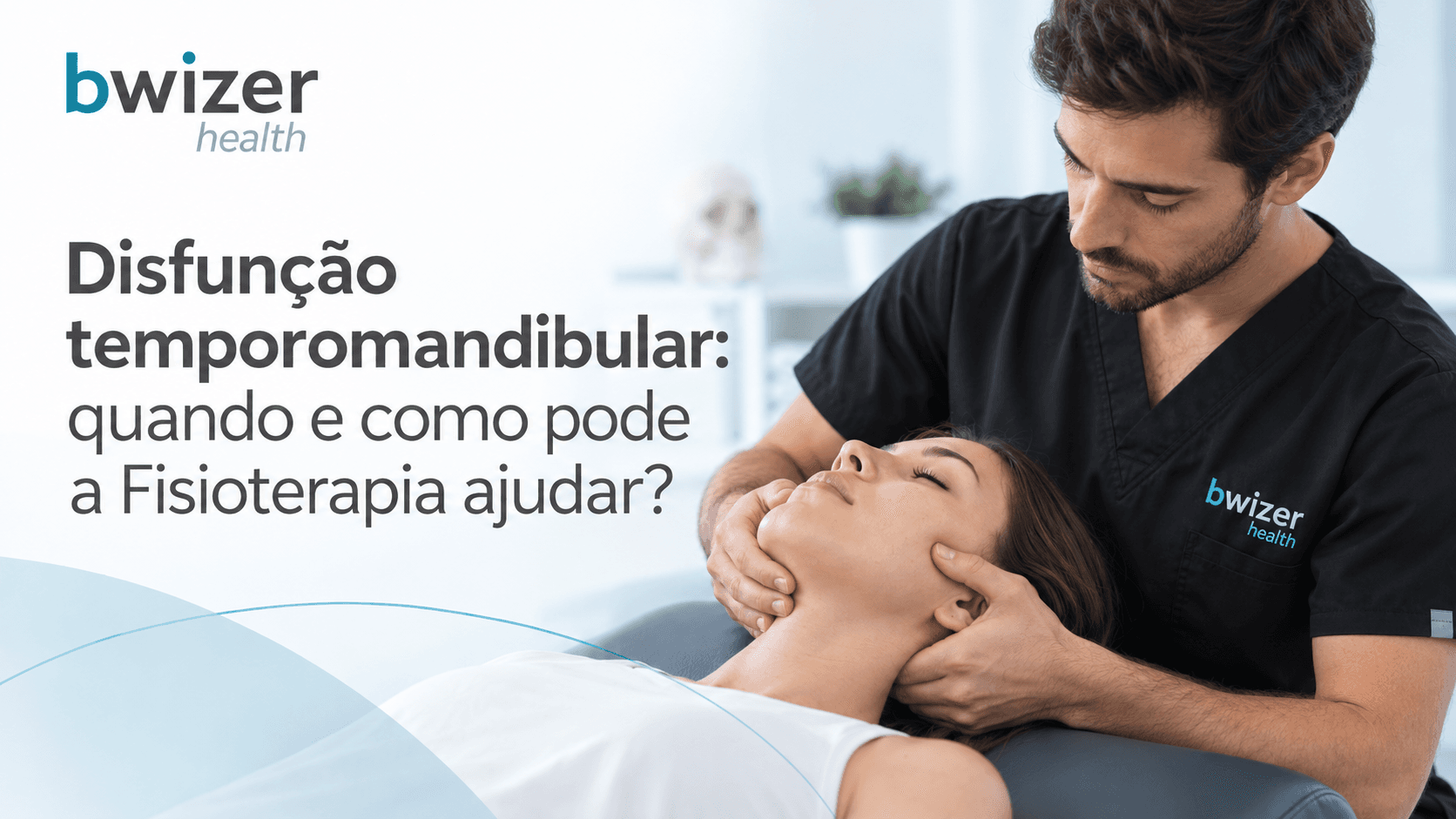
Jaw pain, clicking or difficulty opening your mouth? These symptoms may be associated with temporomandibular disorder (TMD). Discover how Physiotherapy can help reduce pain, improve jaw function and restore comfort in everyday activities.
Physiotherapy can help reduce pain and improve jaw function in people with temporomandibular disorders (TMD). Following an individualised assessment, approaches such as therapeutic exercise, manual therapy and education may be used according to each person's symptoms and needs.
What exactly are Temporomandibular Disorders?
Temporomandibular disorders (TMD) encompass a somewhat heterogeneous group of musculoskeletal and neuromuscular conditions that generally affect the temporomandibular joints (TMJ), the masticatory muscles and associated craniofacial structures.
They can broadly be classified into three main categories: myogenic (muscle-related), arthrogenic (joint-related) or mixed.
What symptoms can be associated with TMD?
The clinical manifestations of TMD can vary. They are generally characterised by orofacial pain, restricted or deviated jaw opening, joint noises (such as clicking or crepitus), headaches (tension-type headaches and migraines) and even otalgia (ear pain).
These symptoms may also negatively affect essential daily activities such as chewing, speaking and sleeping, as well as emotional well-being.
How can Physiotherapy help?
People with TMD often believe, or have been told, that "If your jaw clicks, you need surgery or invasive treatment", "The cause is misaligned teeth or poor posture", or "Jaw pain is just psychological stress".
In reality, this is not necessarily the case. Available scientific evidence indicates that isolated joint noises (clicking), without pain or significant functional limitations, are common and frequently harmless. International clinical guidelines strongly recommend conservative, non-invasive approaches as first-line treatment, including Physiotherapy.
Furthermore, postural changes and occlusal factors alone are not necessarily direct causes of TMD. Similarly, stress and anxiety do not cause pain in an abstract sense, but they may trigger involuntary motor responses, such as awake bruxism.
To better understand the relationship between emotional factors, teeth-clenching habits and jaw symptoms, explore our article Facial Pain, Jaw Tension and Stress: What Do They Have in Common?.
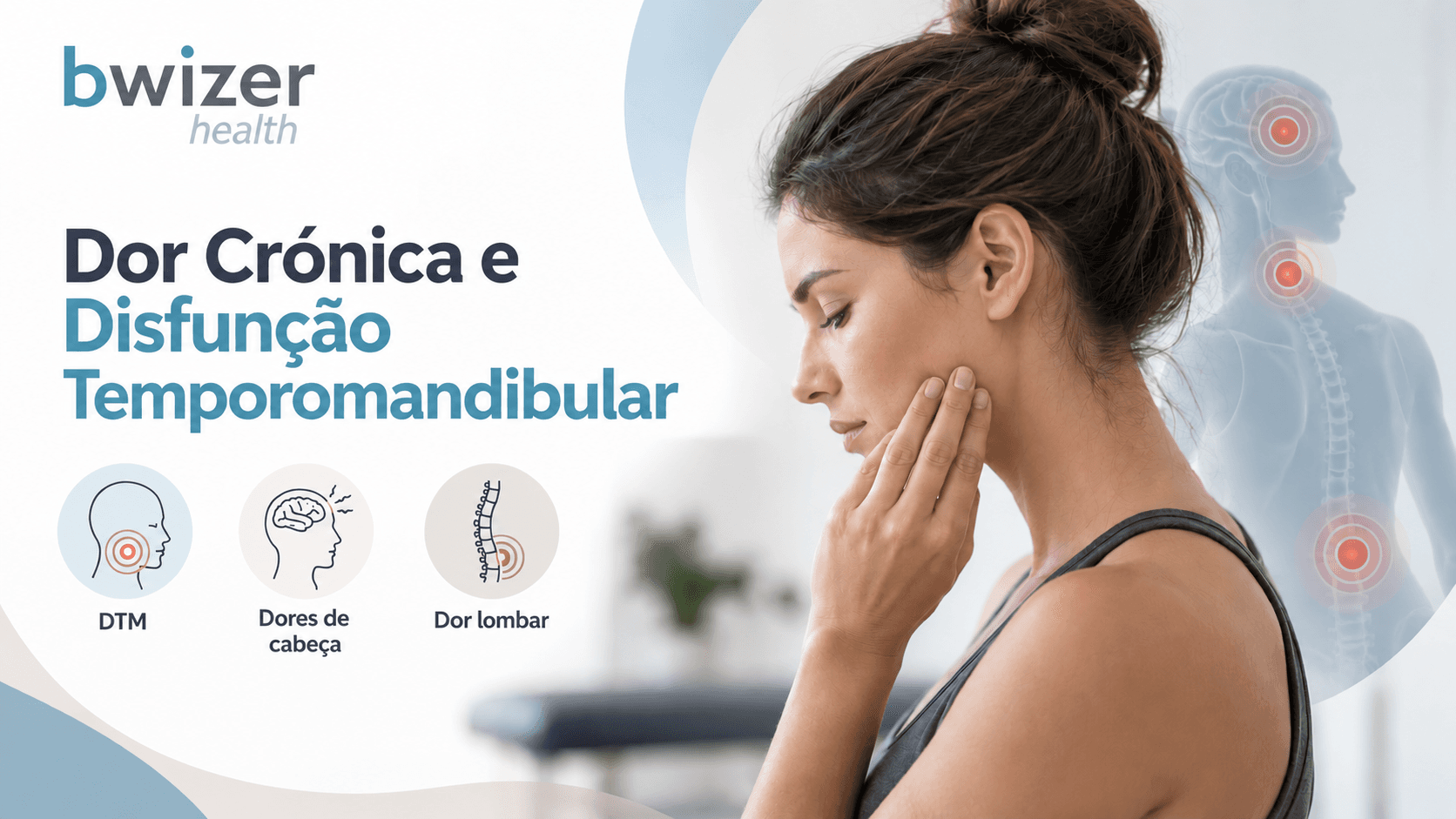
TMD is a multifactorial biopsychosocial condition in which motor control and nervous system sensitivity may play a greater role than structural factors. In some people, orofacial pain associated with TMD may become persistent and coexist with other painful conditions. Learn more in our article on Chronic Pain and Temporomandibular Disorders.
So, what exactly can Physiotherapy do?
The first step is always a Clinical Assessment
Initially, a physiotherapist specialising in TMD assesses the individual, gathering information about their pain history, parafunctional behaviours (such as nail-biting or chewing on objects like pen caps, for example) and psychosocial impact.
Additionally, the physical examination should include an assessment of jaw movements (such as mouth opening and occlusion) and the masticatory muscles.
Assessment of the cervical spine is also necessary, particularly the deep neck flexor muscles, given the high prevalence of cervical dysfunction in people with TMD.
Furthermore, individuals with migraines or tension-type headaches have a higher risk of presenting with TMD.
At Bwizer Health, our Physiotherapy team assesses these parameters using internationally validated clinical tools, systematically collecting information about functional limitations and disability in people with TMD in a rigorous and objective manner.
This systematic collection of data is beneficial for patients, as it allows progress to be monitored and facilitates communication between the physiotherapist and the patient's dentist, supporting a truly multidisciplinary approach.
Therapeutic intervention comes next
Using an occlusal splint or night guard is not the only effective treatment. Clinical guidelines make conditional recommendations against the use of occlusal splints alone. A combination with active treatments (exercise, manual therapy and education) is suggested.
Therefore, physiotherapy interventions for this condition should follow the recommendations of current clinical guidelines.
The approach should include active and conservative interventions, such as therapist-assisted mobilisation, manual therapy combined with supervised therapeutic exercise, and education and self-management strategies (including awareness and modification of habits such as awake bruxism or daytime teeth clenching).
In cases involving associated headaches, evidence indicates that Physiotherapy programmes targeting the TMJ and cervical spine reduce the frequency, intensity and functional impact of chronic headaches (migraines and tension-type headaches).
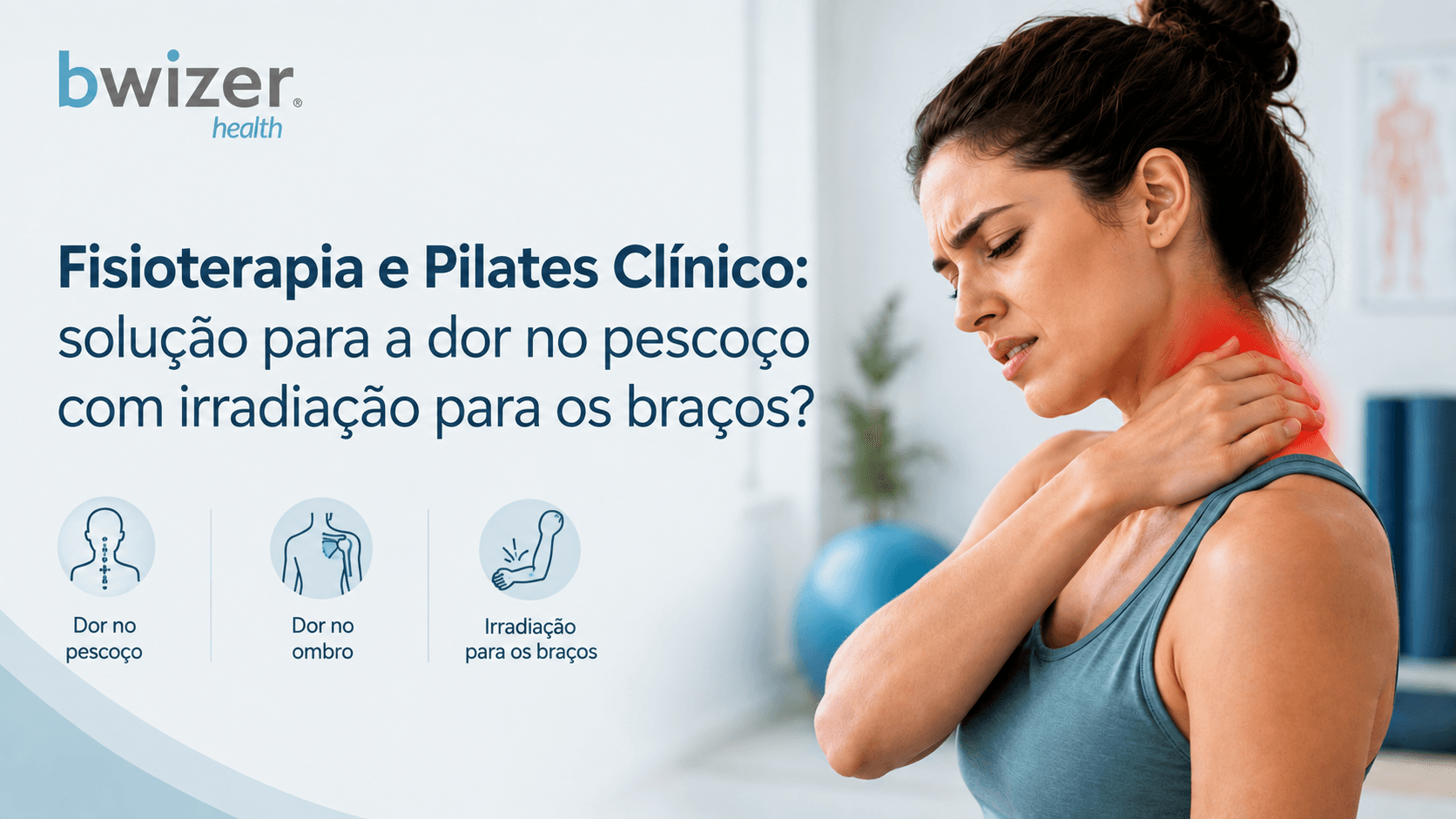
Learn more about the role of therapeutic exercise in our article on Physiotherapy and Clinical Pilates for Neck Pain.
When should you seek help?
You should seek professional help if you experience persistent or recurring jaw pain, difficulty chewing, functional limitations or episodes of jaw locking.
It is also essential for physiotherapists to recognise symptoms that may resemble TMD but are caused by serious or non-musculoskeletal conditions requiring urgent medical referral.
If you experience recurring jaw pain or difficulty with movements such as chewing or opening your mouth, an individualised assessment can help identify the source of your symptoms and determine the most appropriate approach.
Book your Physiotherapy assessment at Bwizer Health.
Working together with Dental Professionals
TMD requires an interdisciplinary approach. Dentists play a role in ruling out purely odontogenic causes and serious intrinsic joint conditions, as well as providing occlusal splints when strictly indicated.
If you are already under the care of a dentist, you should discuss the possibility of a referral to Physiotherapy.
Physiotherapy may be indicated at the onset or during the persistence of symptoms such as facial pain (orofacial pain), pain in the jaw, temples or neck when chewing or speaking; restricted or locked jaw opening; a feeling of facial muscle fatigue upon waking or at the end of the day; and recurring headaches associated with jaw tension.
At Bwizer Health, we provide individualised assessments for temporomandibular disorders, monitor clinical progress and work alongside dentists whenever necessary, promoting an integrated approach centred on each person's needs.
Book your appointment at Bwizer Health.
Key takeaways for you
- TMD is a common musculoskeletal condition affecting the facial muscles and jaw joint, potentially interfering with simple activities such as eating or speaking.
- Physiotherapy is recommended by the latest international clinical guidelines as a safe, conservative, first-line treatment.
- Treating the jaw also means considering the neck: the nerves of the face and neck converge within the central nervous system, meaning that pain in one region can affect the other.
- Poor posture is not the cause of TMD. The focus should be on mobility, strength and muscle relaxation.
- Clenching your teeth during the day (awake bruxism) due to stress places additional strain on the muscles. Awareness and exercise can help break this cycle.
- Painless jaw clicking does not mean you need to panic or undergo surgery. If pain or functional limitations are present, Physiotherapy and Dentistry should work together.
References
Bednarczyk, V., Proulx, F., & Paez, A. (2024). The effectiveness of cervical rehabilitation interventions for pain in adults with myogenic temporomandibular disorders: A systematic review and meta-analysis. Journal of Oral Rehabilitation, 51(6), 1091–1107. https://doi.org/10.1111/joor.13671
Bizzarri, P., Manfredini, D., Koutris, M., Bartolini, M., Buzzatti, L., Bagnoli, C., & Scafoglieri, A. (2024). Temporomandibular disorders in migraine and tension-type headache patients: A systematic review with meta-analysis. Journal of Oral & Facial Pain and Headache, 38(2), 11–24. https://doi.org/10.22514/jofph.2024.011
Busse, J. W., Casassus, R., Carrasco-Labra, A., Durham, J., Mock, D., Zakrzewska, J. M., Palmer, C., Samer, C. F., Coen, M., Guevremont, B., Hoppe, T., Guyatt, G. H., Crandon, H. N., Yao, L., Sadeghirad, B., Vandvik, P. O., Siemieniuk, R. A. C., Lytvyn, L., Hunskaar, B. S., & Agoritsas, T. (2023). Management of chronic pain associated with temporomandibular disorders: A clinical practice guideline. BMJ, 383, e076227. https://doi.org/10.1136/bmj-2023-076227
de Oliveira-Souza, A. I. S., Ferro, J. K. O., Barros, M. M. M. B., & de Oliveira, D. A. (2020). Cervical musculoskeletal disorders in patients with temporomandibular dysfunction: A systematic review and meta-analysis. Journal of Bodywork and Movement Therapies, 24(4), 84–101. https://doi.org/10.1016/j.jbmt.2020.05.001
González, I. B., Montero, J., Gómez Polo, C., & Pardal Peláez, B. (2025). Evaluation of the relationship between bruxism and/or temporomandibular disorders and stress, anxiety, depression in adults: A systematic review and qualitative analysis. Journal of Dentistry, 156, 105707. https://doi.org/10.1016/j.jdent.2025.105707
Graham, D. A., Lövgren, A., Häggman-Henrikson, B., Peck, C. C., Manfredini, D., & Saracutu, O. I. (2026). Management of awake bruxism: A systematic review. BMC Oral Health, 26, Article 559. https://doi.org/10.1186/s12903-026-07856-z
Justribó-Manion, C., Mesa-Jiménez, J., Caballero-Ruiz-de-la-Hermosa, C., Zuil Escobar, J. C., & Armijo-Olivo, S. (2024). Is low back pain a risk/prognostic factor for the development and/or progression of temporomandibular disorders? A systematic review with meta-analysis. Journal of Oral Rehabilitation, 51(2), 427–454. https://doi.org/10.1111/joor.13601
Keller, S., Bocell, F. D., Mangrum, R., McLorg, A., Logan, D., Chen, A. L., Steen, A. I., Woods, P., Weinberg, J., Royce, L., Sansing-Foster, V., & Tarver, M. E. (2023). Patient-reported outcome measures for individuals with temporomandibular joint disorders: A systematic review and evaluation. Oral Surgery, Oral Medicine, Oral Pathology and Oral Radiology, 135(1), 65–78. https://doi.org/10.1016/j.oooo.2022.08.002
Krasińska-Mazur, M., Homel, P., Gala, A., Stradomska, J., & Pihut, M. (2022). Differential diagnosis of temporomandibular disorders: A review of the literature. Folia Medica Cracoviensia, 62(2), 121–137. https://doi.org/10.24425/fmc.2022.141703
La Touche, R., Martínez García, S., Serrano García, B., Proy Acosta, A., Adraos Juárez, D., Fernández Pérez, J. J., Angulo-Díaz-Parreño, S., Cuenca-Martínez, F., Paris-Alemany, A., & Suso-Martí, L. (2020). Effect of manual therapy and therapeutic exercise applied to the cervical region on pain and pressure pain sensitivity in patients with temporomandibular disorders: A systematic review and meta-analysis. Pain Medicine, 21(10), 2373–2384. https://doi.org/10.1093/pm/pnaa021
Pelai, E. B., de Castro-Carletti, E. M., Tavares, L. F., Michelotti, A., Pitance, L., Rodrigues-Bigaton, D., Foltran-Meschollotto, F., Dennett, L., & Armijo-Olivo, S. (2026). Manual therapy and exercise targeted to the neck and orofacial regions for patients with orofacial pain: A systematic review and meta-analysis. Disability and Rehabilitation, 48(2), 286–330. https://doi.org/10.1080/09638288.2025.2539469
Qu, J., Qian, Y., Zhang, Y., Chen, B., Wang, R., Bao, J., Huang, X., & Lu, Y. (2025). Efficacy of manipulation and therapeutic exercise applied to the neck region of patients with temporomandibular disorders: A systematic review and meta-analysis. Journal of Stomatology, Oral and Maxillofacial Surgery, 126(6, Suppl.), 102530. https://doi.org/10.1016/j.jormas.2025.102530
Quilghini, C., Lefflot, J., & Buchholtz, K. (2025). The effectiveness of physiotherapy for chronic headaches in patients with temporomandibular disorders: A systematic review. Frontiers in Rehabilitation Sciences, 6, 1647927. https://doi.org/10.3389/fresc.2025.1647927
von Piekartz, H., Schwiddessen, J., Reineke, L., Armijo-Olivio, S., Bevilaqua-Grossi, D., Biasotto Gonzalez, D. A., Carvalho, G., Chaput, E., Cox, E., Fernández-de-las-Peñas, C., Gadotti, I. C., Gil Martínez, A., Gross, A., Hall, T., Hoffmann, M., Julsvoll, E. H., Karegeannes, M., La Touche, R., Mannheimer, J., ... Ballenberger, N. (2020). International consensus on the most useful assessments used by physical therapists to evaluate patients with temporomandibular disorders: A Delphi study. Journal of Oral Rehabilitation, 47(6), 685–702. https://doi.org/10.1111/joor.12959