Physiotherapy and Clinical Pilates: a solution for neck pain radiating to the arms?

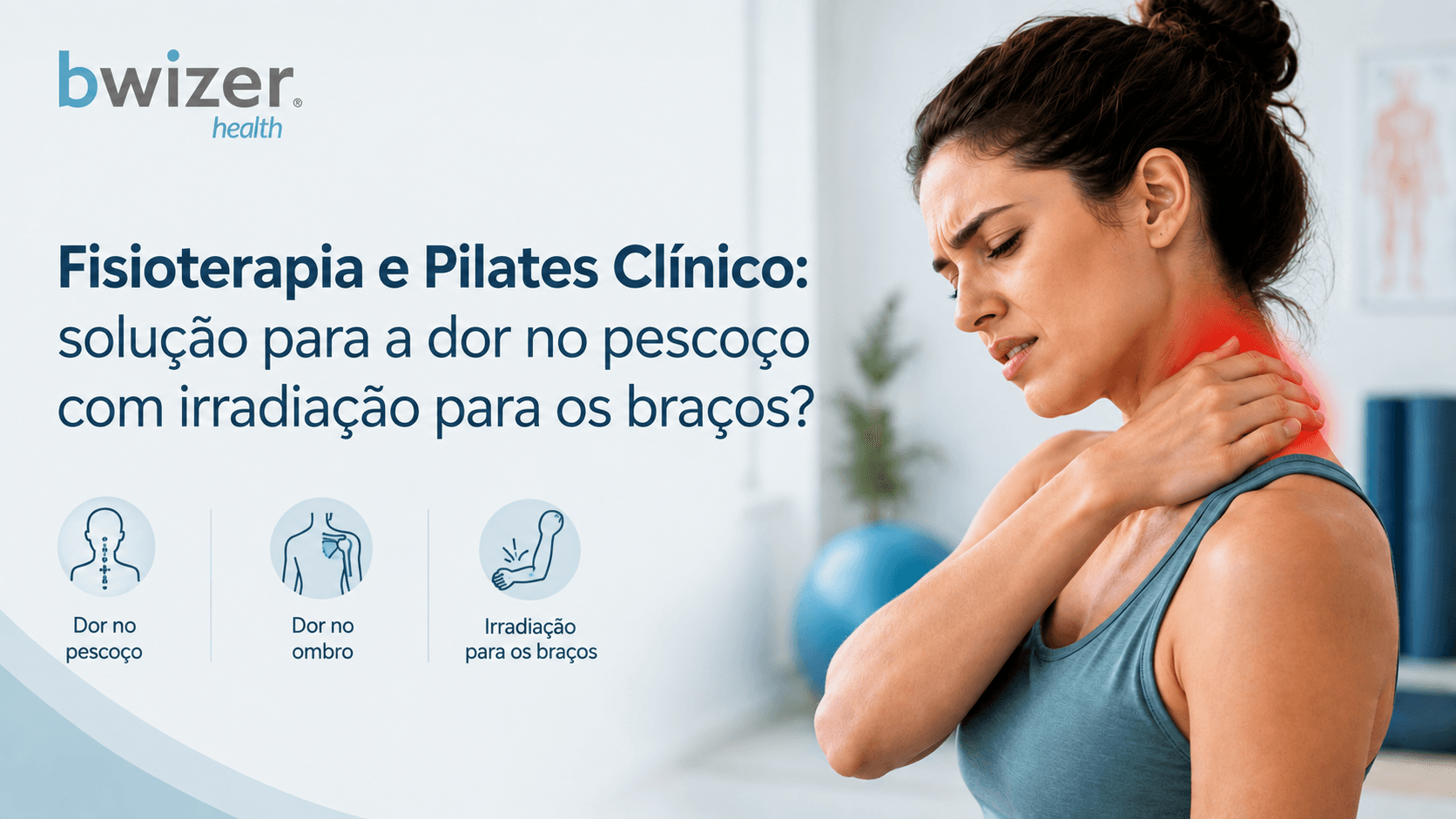
Neck pain can radiate to the shoulders and arms, affecting function and quality of life. In this article, we explore the role of Clinical Pilates, integrated into Physiotherapy, in managing neck pain with radiating symptoms, from assessment and identification of red flags to therapeutic exercise focused on motor control, mobility and functional recovery.
Neck pain, or cervicalgia, is one of the leading causes of disability worldwide, affecting up to 70% of the population at some point in their lives. This pain is often not limited to the neck and may radiate to the shoulders and arms (radicular symptoms), further affecting a person’s functional ability and quality of life.
Within Physiotherapy, Clinical Pilates has emerged as a valuable intervention focused not only on pain relief but also on restoring motor control and function.
Neck, shoulder and arm pain
Neck pain that radiates into the upper limb (shoulder, arm, forearm, wrist and hand), often referred to as cervicobrachialgia or neck pain with radicular symptoms, is a complex condition involving not only the neck but also the peripheral nervous system extending into the arms.
Possible causes
The causes of neck pain with radiating symptoms are multifactorial and may involve a combination of structural and biomechanical factors:
- Nerve root compression: Radiating symptoms are often associated with compression or irritation of the cervical nerve roots, which may result from degenerative changes, such as osteophytes, or from disc herniation.
- Postural factors: Prolonged maintenance of postures such as a forward head position may increase the cumulative mechanical load on the cervical region, contributing to persistent pain and dysfunction.
- Biomechanical dysfunction: Changes in morphology, joint mobility and motor control of the deep neck muscles, together with excessive tension in the superficial muscles, may contribute to an environment that favours pain and radiating symptoms.
- Occupational and lifestyle factors: Prolonged computer and smartphone use, repetitive movements and inadequate workplace ergonomics are common contributing factors.
Red flags
In cases of radiating pain, particularly when accompanied by sensations such as tingling, it is important to rule out serious underlying conditions before beginning physiotherapy treatment.
For this reason, seeking a medical opinion regarding these symptoms beforehand may be particularly relevant.
Appropriate Physiotherapy assessment
A comprehensive assessment should be multidimensional, addressing both physical and psychosocial factors. At Bwizer Health, the physiotherapist’s assessment follows these principles and is aligned with current scientific evidence, considering factors such as:
- Pain and disability: Validated tools such as the Numeric Pain Rating Scale (NPRS) and the Neck Disability Index (NDI) can be used to assess pain and its functional impact on daily life.
- Mobility and muscle function: Tests may be used to assess range of motion, endurance and recruitment of the deep neck flexor muscles.
- Psychosocial factors: Assessment of kinesiophobia (fear of movement) using the Tampa Scale for Kinesiophobia (TSK), alongside screening for anxiety and depression, which may be relevant predictors of persistent pain.
As a healthcare professional, the physiotherapist is also able to screen for red flags, such as those mentioned above, that may warrant medical referral before starting Clinical Pilates.
What is Clinical Pilates in Physiotherapy?
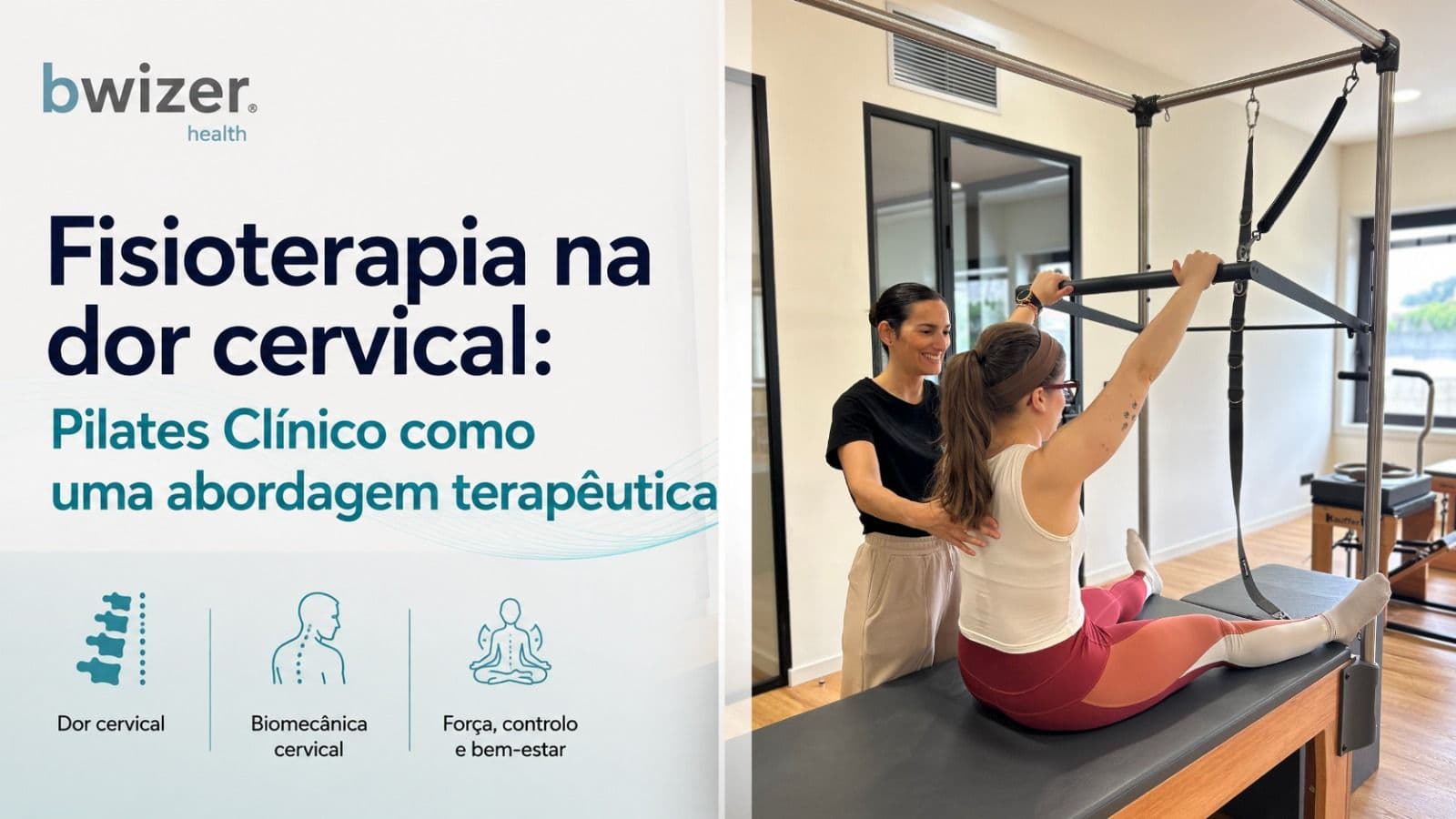
Clinical Pilates is a structured form of clinical exercise based on whole-body conditioning, promoting body awareness and improved mobility.
Through strengthening and stretching exercises — performed either on a mat or using specialised equipment — Clinical Pilates works on core control and spinal stability.
In the context of neck pain, one of the main objectives is to improve motor control of the deep neck muscles.
The impact on mental well-being
Radiating pain is often associated with anxiety and what healthcare professionals refer to as kinesiophobia — fear of movement due to concerns about experiencing or worsening pain.
Clinical Pilates stands out as a mind-body exercise intervention with the potential to improve mental health and quality of life, helping to break the cycle of fear, avoidance and inactivity.
The connection between the neck and the arms
For people experiencing pain radiating into the upper limb, Clinical Pilates may offer an important clinical benefit: cervical spine stability is closely related to how loads are transferred through the arms.
Research indicates that people with chronic neck pain may present altered patterns of muscle activation during simple upper-limb tasks. Clinical Pilates can help restore these motor strategies by challenging neck stability while the person performs controlled movements with the upper limbs.
Evidence-based clinical benefits
Recent scientific evidence highlights several potential benefits for people undergoing this type of treatment:
- Measurable physical changes: Clinical Pilates may not only reduce perceived pain but also promote improvements in muscle morphology, including increased thickness and cross-sectional area of the stabilising muscles of the neck, as assessed by ultrasound imaging.
- Improved upper-limb function: In addition to its effects on the neck, Clinical Pilates may have positive effects on upper-extremity function, which can be particularly relevant for people experiencing weakness or tingling in the arms associated with nerve compression.
Education and prevention in everyday life
One of the distinguishing features of Physiotherapy, which is also reflected in Clinical Pilates, is patient education. Rehabilitation programmes frequently include guidance on lifting and reaching techniques for everyday activities, helping individuals manage mechanical stress on the neck that may aggravate radiating pain, according to their current stage of rehabilitation.
Conclusion
If you experience neck pain that radiates into your arms, Clinical Pilates, when guided by a physiotherapist to ensure clinical precision and safety, can be a valuable tool as part of your recovery and rehabilitation.
Book your session at Bwizer Health.
This article is for informational purposes only and does not replace an individual assessment by a healthcare professional.
References
Akodu, A. K., Nwanne, C. A., & Fapojuwo, O. A. (2021). Efficacy of neck stabilization and Pilates exercises on pain, sleep disturbance and kinesiophobia in patients with non-specific chronic neck pain: A randomized controlled trial. Journal of Bodywork and Movement Therapies, 26, 411–419. https://doi.org/10.1016/j.jbmt.2020.09.008
Denham-Jones, L., Gaskell, L., Spence, N., & Pigott, T. (2022). A systematic review of the effectiveness of Pilates on pain, disability, physical function, and quality of life in older adults with chronic musculoskeletal conditions. Musculoskeletal Care, 20(1), 10–30. https://doi.org/10.1002/msc.1563
de Zoete, R. M. J., Armfield, N. R., McAuley, J. H., Chen, K., & Sterling, M. (2021). Comparative effectiveness of physical exercise interventions for chronic non-specific neck pain: A systematic review with network meta-analysis of 40 randomised controlled trials. British Journal of Sports Medicine, 55(13), 730–742. https://doi.org/10.1136/bjsports-2020-102664
Gao, Q., Li, X., Pan, M., Wang, J., Yang, F., Guo, P., Duan, Z., Ren, C., & Zhang, Y. (2024). Comparative efficacy of mind-body exercise for treating chronic non-specific neck pain: A systematic review and network meta-analysis. Current Pain and Headache Reports, 28(6), 507–523. https://doi.org/10.1007/s11916-024-01218-6
Jadhakhan, F., Sobeih, R., & Falla, D. (2023). Effects of exercise/physical activity on fear of movement in people with spine-related pain: A systematic review. Frontiers in Psychology, 14, 1213199. https://doi.org/10.3389/fpsyg.2023.1213199
Lazoura, E., Savva, C., Ploutarchou, G., Papacharalambous, C., Christofi, I., Rentzias, P., & Karagiannis, C. (2025). Effectiveness of the Pilates method in patients with chronic neck pain: A systematic review with meta-analysis. BMC Musculoskeletal Disorders, 26(1), 629. https://doi.org/10.1186/s12891-025-08888-2
Martini, J. D., Ferreira, G. E., & de Araujo, F. X. (2022). Pilates for neck pain: A systematic review and meta-analysis of randomised controlled trials. Journal of Bodywork and Movement Therapies, 31, 37–44. https://doi.org/10.1016/j.jbmt.2022.03.011
Mueller, J., Weinig, J., Niederer, D., Tenberg, S., & Mueller, S. (2023). Resistance, motor control, and mindfulness-based exercises are effective for treating chronic nonspecific neck pain: A systematic review with meta-analysis and dose-response meta-regression. Journal of Orthopaedic & Sports Physical Therapy, 53(8), 420–459. https://doi.org/10.2519/jospt.2023.11820
Park, S., Kim, K., & Kang, M. (2025). The effects of rehabilitation programs incorporating breathing interventions on chronic neck pain among patients with forward head posture: A systematic review and meta-analysis. Bioengineering, 12(9), 947. https://doi.org/10.3390/bioengineering12090947
Rasmussen-Barr, E., Halvorsen, M., Bohman, T., Boström, C., Dedering, Å., Kuster, R. P., Olsson, C. B., Rovner, G., Tseli, E., Nilsson-Wikmar, L., & Grooten, W. J. A. (2023). Summarizing the effects of different exercise types in chronic neck pain: A systematic review and meta-analysis of systematic reviews. BMC Musculoskeletal Disorders, 24(1), 806. https://doi.org/10.1186/s12891-023-06930-9
Shen, X., Dong, Y., Xiong, X., & Xue, Y. (2026). A network meta-analysis of the comparative effectiveness of different exercise modalities for non-specific neck pain. Journal of Back and Musculoskeletal Rehabilitation, 39(2), 435–445. https://doi.org/10.1177/10538127251385792
Trigonis, I., Tsartsapakis, I., Zafeiroudi, A., Maria, G., Karakatsanis, K., Grivas, G., & Kouli, O. (2026). Pilates method as a biopsychosocial intervention in the modern workplace: A systematic review of physical, mental, and occupational benefits. Healthcare, 14(13), 1852. https://doi.org/10.3390/healthcare14131852
Xu, M., Tian, C., Wang, Y., Liang, S., Wang, Y., Li, X., & Yang, K. (2023). Pilates and multiple health outcomes: An umbrella review. Journal of Science and Medicine in Sport, 26(4–5), 232–240. https://doi.org/10.1016/j.jsams.2023.03.011