“Can I keep dancing with this pain?” - A quick checklist for dancers

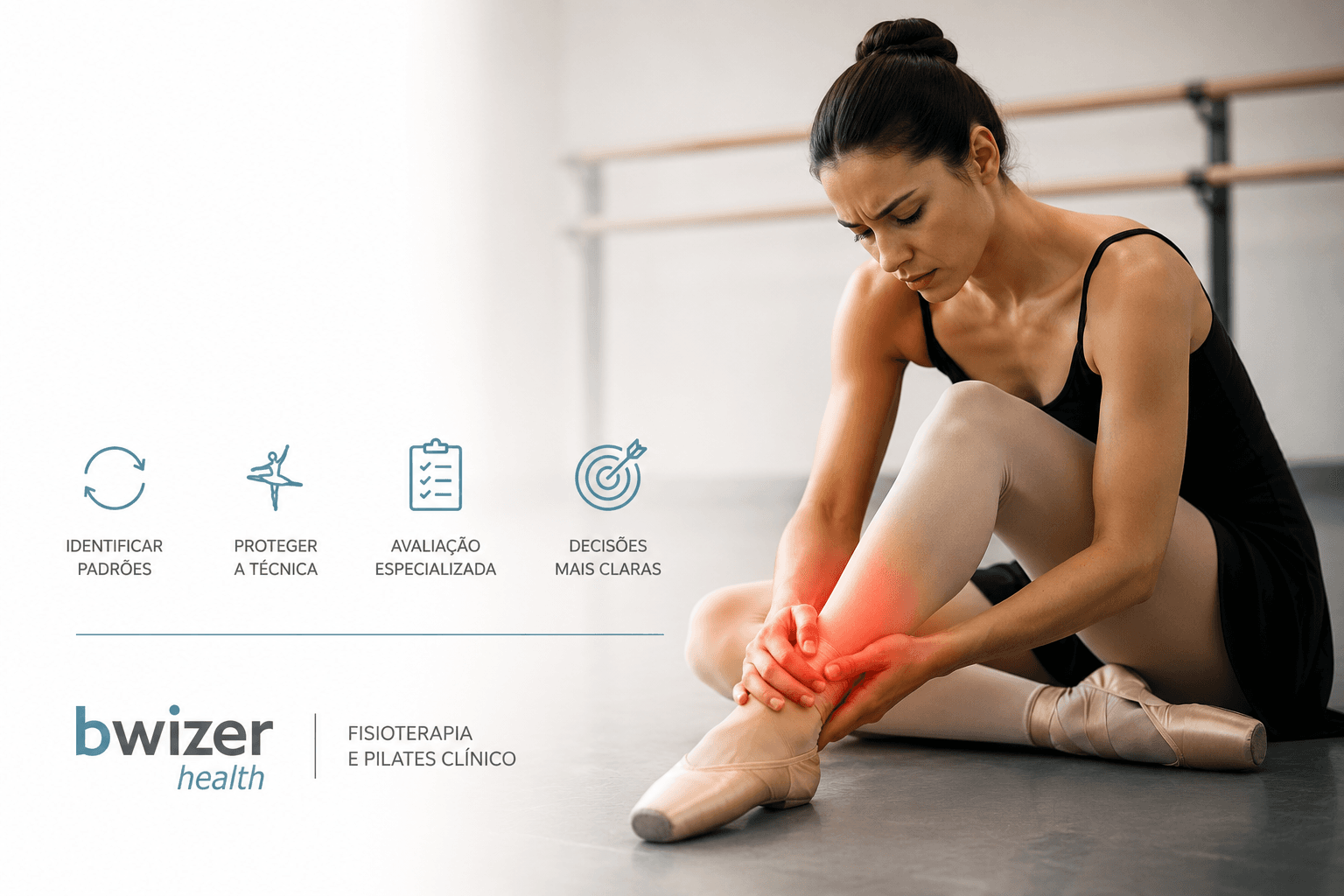
For dancers who experience pain during or after dancing and want to understand whether they should monitor their symptoms, adapt their training load or seek professional assessment. It helps identify signs that pain may be affecting technique, confidence, training load or movement safety.
Who is this checklist for?
For dancers who experience pain during or after dancing and want to understand whether they should monitor symptoms, adapt their training load, or seek professional assessment.
It can also be useful for parents and teachers who support young dancers.
What does this checklist help you understand?
It helps identify signs that pain may be affecting technique, confidence, training load or movement safety.
This checklist does not provide a diagnosis.
How to use it
Answer “yes” or “no” to each question, thinking about your last week of classes, rehearsals or performances.
Checklist
- Does the pain always appear during the same movement or gesture?
- Has the pain increased over the last few weeks?
- Does the pain change the way you perform plié, relevé, jumps, pointe work or floorwork?
- Do you need to compensate in order to continue dancing?
- Does the pain remain the following day?
- Is there swelling, heat, joint locking or a feeling of instability?
- Do you feel a loss of strength or reduced confidence when bearing weight?
- Does the pain return whenever you increase your training load?
- Have you previously had an injury in the same area?
- Does the pain prevent you from dancing safely or with quality?
Warning signs
- Severe pain;
- Significant swelling;
- Feeling of joint locking;
- Feeling of instability;
- Loss of strength;
- Inability to bear weight;
- Night pain;
- Numbness;
- Tingling or loss of sensation.
Any warning signs should always be assessed by a healthcare professional.
How to interpret your results
- 0 to 1 “yes” answers
- If there are no warning signs, monitor your symptoms. Record when the pain appears and how it changes over time.
- 2 to 3 “yes” answers
- Consider temporarily adapting your training load and seek assessment if the pain continues to occur.
- 4 or more “yes” answers
- It is recommended to seek professional assessment before increasing your training load.
Next step
Book a Dancer Clinical Assessment: Dancer Clinical Assessment
Take your answers with you to the assessment. They help identify the pattern of pain, the movements involved and the impact on your dance practice.
This checklist is educational and does not replace an individual assessment. It should not be used to diagnose injuries or make decisions about returning to demanding movements without professional guidance. For young dancers, decisions should involve parents or legal guardians.