Does feeling pain mean you are injuring yourself?

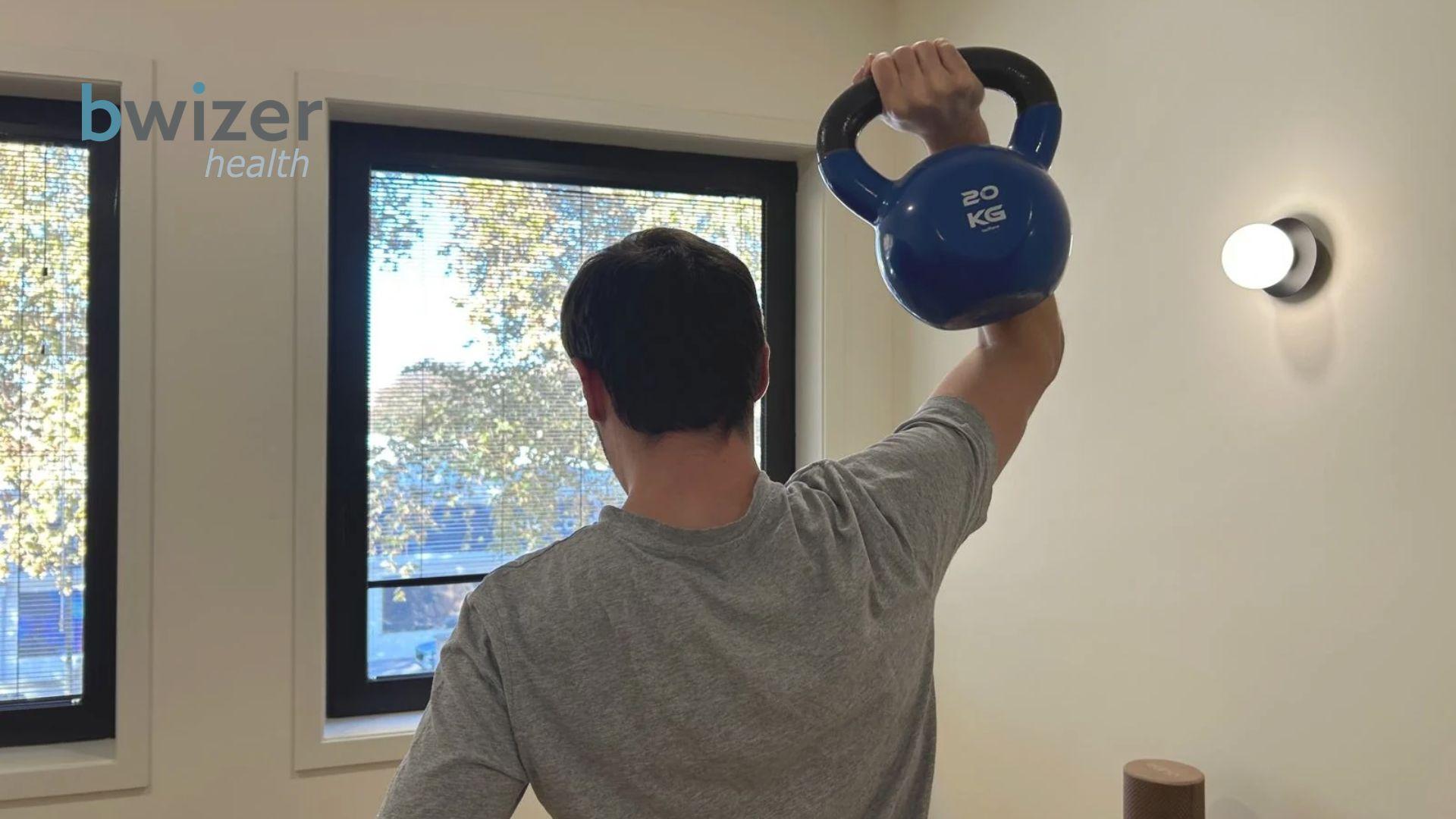
Pain intensity alone cannot tell you whether there is an injury or how serious it is. How symptoms started, how they change and what you can do help guide your next step.
You might feel pain while stepping up, lifting a bag or returning to an exercise and wonder whether you are making an injury worse. Pain intensity alone cannot answer that question. To understand what is happening, consider how it started, whether the pattern has changed and what the pain now makes harder to do.
Why do pain and injury not always coincide?
An injury can hurt, but the experience of pain reflects more than the condition of the tissues. The nervous system processes signals from the body, and past experiences and context can also influence what you feel. Pain is real even when an assessment has yet to identify a clear cause. For example, with persistent jaw pain associated with temporomandibular disorders (TMD), the duration and intensity of symptoms alone do not establish that the joint is injured.
Imagine two people reporting the same level of knee pain. One fell and now struggles to bear weight. The other recognises a familiar discomfort on the stairs and can still walk as usual. The same pain score can accompany very different situations. The fall and the loss of function change how urgently the problem should be assessed.
What can an X-ray or MRI scan clarify?
Scans show changes in the structures they can examine. Studies of the spine have found disc changes in people without pain. Some of these changes are also more common in people with symptoms. To judge whether a finding matters in your case, a clinician considers it alongside your history and the clinical examination.
If a scan shows no changes that explain your symptoms, the cause remains open. If your symptoms have changed since the scan, that change should be considered in your current assessment.
What should you notice if a familiar task starts to hurt?
Imagine that you feel familiar discomfort while stepping up during an exercise your Physiotherapist has already assessed and agreed with you. Notice whether it started when you increased the step height or repetitions, whether it changes how you put weight through the leg and how you feel afterwards. This information helps guide whether to adapt the task, for example by using the lower step you have already practised on.
The same reasoning helps you interpret what happens when dancing with pain. Noting which move brings on the pain and whether it changes how you dance gives you information that intensity alone cannot provide.
If the pain is new, different or more limiting than usual, stop the task that triggered it and clarify what is happening before repeating the same load. A sensation that feels tolerable during exercise does not, on its own, confirm that it is safe to continue.
When should you seek Physiotherapy assessment or medical help?
If pain keeps returning, limits everyday activities or leaves you unsure how to resume a task, a Physiotherapy assessment can help clarify the pattern, examine movement and adapt the activity. Bring information about how it started, what changed and what you can no longer do.
Seek medical assessment if you have pain after significant trauma, recent loss of strength or sensation, or pain with a fever or feeling markedly unwell. How urgently you need help depends on the combination of symptoms. Rapidly worsening weakness requires urgent assessment.
Seek immediate medical assessment at an emergency department if you have spinal pain with new changes in bladder or bowel control, or loss of sensation in the area between your legs. These examples do not cover every urgent situation.
Frequently asked questions
If I can move, can I rule out an injury?
Being able to move gives useful information about function. Assessing whether there is an injury also requires considering what happened, how symptoms have changed and what the clinical examination shows.
If I have had pain for months, does a flare-up mean a new injury?
A flare-up alone cannot tell you the cause. If the location or pattern has changed, other symptoms have appeared or you have lost the ability to do a task, you may need another assessment even if you have had pain for months.
Bwizer Health can help
If pain is limiting an activity you want to return to, bring a specific example to your appointment, such as climbing stairs or getting back to training. Your Physiotherapist can assess your movement and what has changed, discuss how to adapt the activity and refer you for medical assessment when needed. Book a Physiotherapy assessment at Bwizer Health to agree on your next step.
This article is for information only and does not replace an individual Physiotherapy assessment or any medical care you may need.
References
Brinjikji W, Diehn FE, Jarvik JG, et al. (2015). MRI Findings of Disc Degeneration are More Prevalent in Adults with Low Back Pain than in Asymptomatic Controls: A Systematic Review and Meta-Analysis. AJNR American Journal of Neuroradiology. https://doi.org/10.3174/ajnr.A4498
Brinjikji W, Luetmer PH, Comstock B, et al. (2015). Systematic literature review of imaging features of spinal degeneration in asymptomatic populations. AJNR American Journal of Neuroradiology. https://doi.org/10.3174/ajnr.A4173
Downie A, Williams CM, Henschke N, et al. (2013). Red flags to screen for malignancy and fracture in patients with low back pain: systematic review. BMJ. https://doi.org/10.1136/bmj.f7095
Finucane LM, Downie A, Mercer C, et al. (2020). International Framework for Red Flags for Potential Serious Spinal Pathologies. Journal of Orthopaedic & Sports Physical Therapy. https://doi.org/10.2519/jospt.2020.9971
National Institute for Health and Care Excellence (2019). Suspected neurological conditions: recognition and referral. NICE NG127. https://www.nice.org.uk/guidance/ng127/chapter/Recommendations-for-adults-aged-over-16
Raja SN, Carr DB, Cohen M, et al. (2020). The revised International Association for the Study of Pain definition of pain: concepts, challenges, and compromises. Pain. https://doi.org/10.1097/j.pain.0000000000001939