How can someone tell if they’re improving even though they still feel pain?


Scientific Director
Physiotherapist no. 1054 · Ordem dos Fisioterapeutas
Last reviewed:
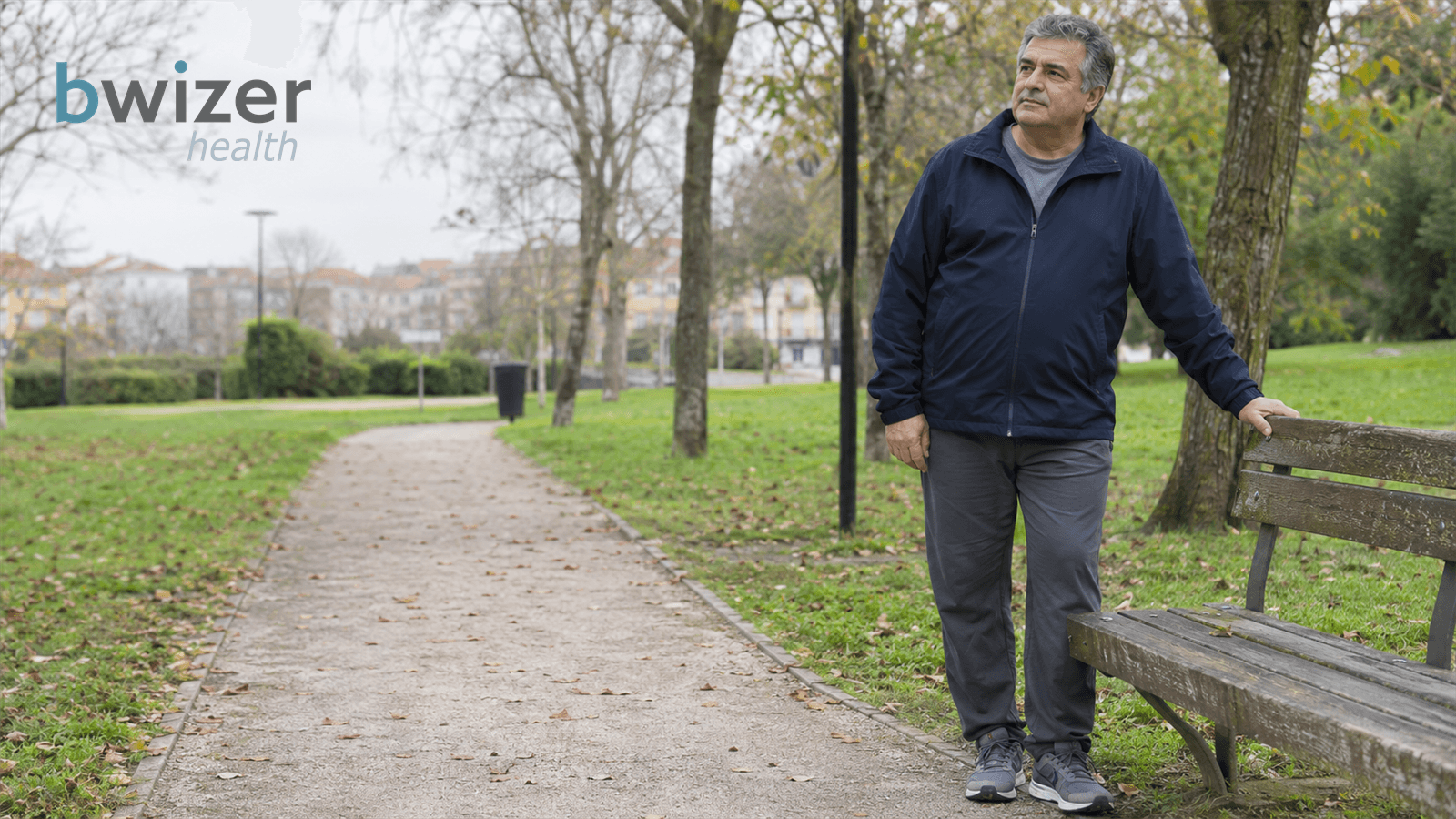
Walking further or returning to an activity someone enjoys can be signs of progress, even when they still feel pain.
A person may be making progress even if their pain feels much the same. If they used to stop walking after ten minutes and can now manage twenty in similar conditions, their walking ability has improved. Pain still matters, especially if it affects daily life. Both pieces of information help show how things are changing.
What are the signs that someone is improving?
- A task feels easier, such as climbing the stairs at home with fewer breaks.
- The person gets back to something that matters to them, such as walking with friends or joining a class.
- They can adapt a task on their own, for example by choosing a shorter route on a difficult day.
- They feel less apprehensive about starting an activity, even if they expect some discomfort.
With pain lasting more than three months, a person may return to some tasks before they notice clear pain relief. Pain intensity describes how much it hurts. The impact of pain shows up in what someone has to interrupt, adapt or give up. Two people who give their pain the same score may have very different daily routines.
Different gains can also appear at different times. Someone may be able to stand and cook with fewer breaks but still avoid shopping because they are worried about carrying bags. The first gain matters, and the second goal still deserves attention. Progress is easier to recognise when it is measured in terms that matter to the person.
How can someone track progress in everyday life?
A starting point is to choose two activities that matter and write down what the person can currently manage. Later entries are easier to compare when conditions are similar. For each task, the person can note how long it took, any breaks or help needed and how they felt during and afterwards. The notes can also cover pain intensity over the same period (for example, the weekly average), what pain made harder and whether they returned to an activity they had stopped doing. This shows how the same task has changed and whether that gain has made a difference to their routine.
For example, someone used to stop twice on the walk to the pharmacy. They now stop once and can do the walk on their own again. If their pain feels similar and the walk no longer keeps them from doing other things that day, the notes capture progress that a pain score alone would miss.
What does a worse week mean?
Recovery rarely moves at the same pace from week to week. A person who can now walk for twenty minutes may have a week with more journeys on foot, feel more pain and need to stop again on their usual route. That day may make it seem as though they are back where they started. Comparing notes over several weeks helps show whether, overall, they are still walking more than before.
The reverse can happen too. Pain may ease in a week when someone goes out less, while the activities they want to resume remain limited. If a task feels easier but regularly disrupts sleep or makes the rest of the day harder, that matters too. When training, the response during and after activity can help determine when exercise may need adapting because of pain.
Managing a familiar flare-up with more confidence can also be progress. For example, someone might feel more able to adapt a walk and still meet up with friends. Pain and its impact remain part of the assessment, even when the person can do more.
Why does a physiotherapist reassess progress throughout recovery?
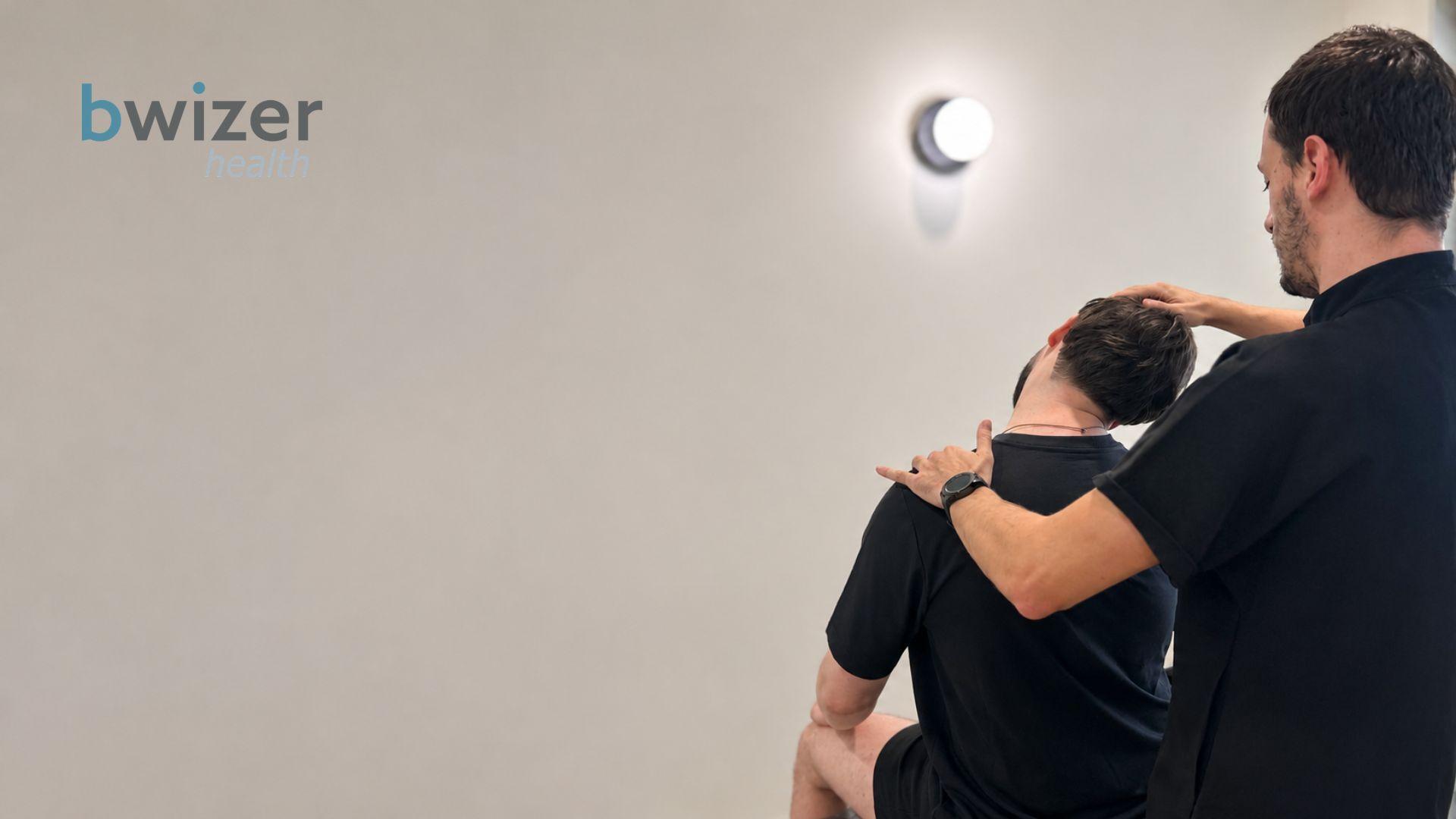
At the initial assessment, the physiotherapist and the person identify which activities are limited and establish a starting point. Reassessing at several stages helps tell a temporary fluctuation from a lasting change. The physiotherapist can look at the same task again, ask how much pain affects daily life, and check which activities the person has resumed and how confident they feel doing them. It also matters whether the person finds the change useful.
Each reassessment helps decide what to do next. If the person can manage their usual walk and carry on with the rest of their routine, gradually increasing the distance may make sense. If they walk further but have to give up other tasks to recover, the duration or frequency may need adjusting. Once they reach a goal, they can agree on another that matters at that stage.
Pain that persists or changes should be discussed at reassessment, even when other areas have improved. If pain worsens unexpectedly, the person loses function or experiences an unwanted effect during rehabilitation, they should contact their healthcare professional to arrange an earlier review. The physiotherapist can look at what has changed and decide whether the plan needs adjusting or another assessment is needed.
A record of two activities that matter, how pain has changed and what the person has returned to is a useful starting point for a physiotherapy review at Bwizer Health.
References
Cook, K. F., Jensen, S. E., Schalet, B. D., Beaumont, J. L., Amtmann, D., Czajkowski, S., Dewalt, D. A., Fries, J. F., Pilkonis, P. A., Reeve, B. B., Stone, A. A., Weinfurt, K. P., & Cella, D. (2016). PROMIS measures of pain, fatigue, negative affect, physical function, and social function demonstrated clinical validity across a range of chronic conditions. Journal of Clinical Epidemiology, 73, 89–102. https://doi.org/10.1016/j.jclinepi.2015.08.038
Dworkin, R. H., Turk, D. C., Farrar, J. T., Haythornthwaite, J. A., Jensen, M. P., Katz, N. P., Kerns, R. D., Stucki, G., Allen, R. R., Bellamy, N., Carr, D. B., Chandler, J., Cowan, P., Dionne, R., Galer, B. S., Hertz, S., Jadad, A. R., Kramer, L. D., Manning, D. C., … Witter, J. (2005). Core outcome measures for chronic pain clinical trials: IMMPACT recommendations. Pain, 113(1–2), 9–19. https://doi.org/10.1016/j.pain.2004.09.012
Dworkin, R. H., Turk, D. C., Wyrwich, K. W., Beaton, D., Cleeland, C. S., Farrar, J. T., Haythornthwaite, J. A., Jensen, M. P., Kerns, R. D., Ader, D. N., Brandenburg, N., Burke, L. B., Cella, D., Chandler, J., Cowan, P., Dimitrova, R., Dionne, R., Hertz, S., Jadad, A. R., … Zavisic, S. (2008). Interpreting the clinical importance of treatment outcomes in chronic pain clinical trials: IMMPACT recommendations. The Journal of Pain, 9(2), 105–121. https://doi.org/10.1016/j.jpain.2007.09.005
Kent, P., Haines, T., O’Sullivan, P., Smith, A., Campbell, A., Schütze, R., Attwell, S., Caneiro, J. P., Laird, R., O’Sullivan, K., McGregor, A., Hartvigsen, J., Lee, D.-C. A., Vickery, A., & Hancock, M. (2023). Cognitive functional therapy with or without movement sensor biofeedback versus usual care for chronic, disabling low back pain (RESTORE): A randomised, controlled, three-arm, parallel group, phase 3, clinical trial. The Lancet, 401(10391), 1866–1877. https://doi.org/10.1016/S0140-6736(23)00441-5
Lin, I., Wiles, L., Waller, R., Goucke, R., Nagree, Y., Gibberd, M., Straker, L., Maher, C. G., & O’Sullivan, P. P. B. (2020). What does best practice care for musculoskeletal pain look like? Eleven consistent recommendations from high-quality clinical practice guidelines: Systematic review. British Journal of Sports Medicine, 54(2), 79–86. https://doi.org/10.1136/bjsports-2018-099878
Nicholas, M. K. (2007). The pain self-efficacy questionnaire: Taking pain into account. European Journal of Pain, 11(2), 153–163. https://doi.org/10.1016/j.ejpain.2005.12.008
Vibe Fersum, K., Smith, A., Kvåle, A., Skouen, J. S., & O’Sullivan, P. (2019). Cognitive functional therapy in patients with non-specific chronic low back pain: A randomized controlled trial 3-year follow-up. European Journal of Pain, 23(8), 1416–1424. https://doi.org/10.1002/ejp.1399